Joint INGO statement welcoming the upcoming consultations in Sweden

Posted on: December 5th, 2018 by comm

International NGOs working in Yemen welcome the upcoming political consultations in Sweden. After almost four years of conflict in Yemen, up to 14 million people – 50 per cent of Yemen’s population – do not know where their next meal will come from. An estimated 85,000 children under five are presumed to have died from extreme hunger or disease since 2015.[1]

The magnitude of the ongoing conflict in Yemen and its humanitarian toll has led to the world’s largest humanitarian crisis. Humanitarian Affairs and Emergency Relief Coordinator Mark Lowcock warned of the urgent risk of a massive famine in a recent UN Security Council briefing and suggested five urgent steps to offset this catastrophe. Chief among these steps is ending the ongoing violence throughout the country, and removing obstacles to imports and domestic distribution of essential goods to avoid a full-fledged famine.

We strongly hope that these consultations are the first step towards a peace process that will help put an end to the violence and dramatic food and health crises in Yemen and will  lead to positive developments for the people of Yemen.

[1] https://www.savethechildren.org.uk/news/media-centre/press-releases/yemen–85-000-children-may-have-died-from-starvation-since-start


[1] https://www.savethechildren.org.uk/news/media-centre/press-releases/yemen–85-000-children-may-have-died-from-starvation-since-start

Interview with Dr. Edmun Rabban, Médecins du Monde Health Program Coordinator – Dohuk (Iraq)

Posted on: November 29th, 2018 by comm

Dr. Edmun Rabban is a medical doctor who has been working with Médecins du Monde (MdM) since November 2014. He began as the Team Leader of MdM’s first mobile clinic, and later took up the positions of Medical Supervisor in March 2015 and Medical Manager in August 2016. He is currently working as a Health Program Coordinator since November 2017.

What did the picture look like when you first started working with MdM?

The set-up was completely different back then compared with today, as we were in a context of emergency then. We started off with mobile clinics and worked in tents with Internally Displaced Persons (IDPs). At that time, most of the IDPs were Yezidis who were fleeing persecution from the Islamic State (ISIS).

Our two main priorities back then were: 1) facing the emergency at hand 2) controlling the health situation. Moreover, the majority of IDPs had not received any aide, including healthcare, for a long time and that made the situation much more complicated. We were also faced with critical cases of malnutrition, which we referred to secondary healthcare facilities – hospitals.

Since the beginning, our main goal was thus to ensure access to healthcare services. Another important part of our work was to coordinate our activities with other Non-Governmental Organizations (NGOs) and the local Directorate of Health (DoH) – under the Ministry of Health.

What activities / programs did MdM put in place to respond to the crises at hand?

MdM basically went where the needs were, that is to say in Al Amedi district, in IDP camps, and in villages where IDPs sought refuge. The Chamesku IDP camp was established in 2014 and MdM began to provide Primary Health Care (PHC) services within the camp from December 2014 onwards. Chamesku Camp is the largest IDP camp in Northern Iraq, which provides refuge for over 27 000 displaced persons. It is mostly inhabited by the Yezidi community (95%), who have been particularly targeted by ISIS.

MdM has always prioritized working in close cooperation with the DoH of Dohuk in ensuring access to healthcare for IDPs in Chamesku camp, and continues to do so today. Services provided includes primary healthcare, sexual and reproductive health, and mental health and psychological support.

At the outset, MdM worked mainly in IDP camps, but afterwards began supporting PHC centers in the governorates of Dohuk and Ninewa. Today, MdM works to provide healthcare facilities with essential drugs and medical supplies, but also covers their operational costs. Support activities further includes capacity building and on-the-job training of local (DoH) medical staff, with the objective of accompanying the DoH in the recovery of the healthcare system.

Today, the health situation is somewhat under control, as we are no longer in an emergency phase. As such, we [MdM] are seeking to develop sustainable activities. For example, we recently requested and obtained a card from the DoH which enables beneficiaries to benefit free of charge from treatments if they suffer from a chronic disease.

What are the challenges ahead?

The top current and forthcoming priority is mental health (MH). The large-scale displacement experienced by many has caused significant psychological and social stress on families and communities, affecting their mental and psychological wellbeing. Additionally, many people have been living in camps for years, in precarious conditions, very far away from their homes. This has only increased their vulnerability, making them more likely to develop mental problems. Moreover, the informal community networks that often regulate community wellbeing were disrupted. For many, this has led to the development of social and psychological problems, while exacerbating existing problems, thereby increasing their vulnerability.

MH workers have witnessed severe cases of depression and bedwetting, among others, but they have also been lucky to see remarkable changes. I remember the drawings of the children at the beginning; they were very violent – depicting blood, weapons, fighting and ISIS members. Within one year, the drawings had greatly changed, as the children started to draw suns, gardens and animals. For me, this is proof that there is hope and so we must continue our efforts. It is very important to advocate for MH inclusion within the healthcare system. It is about changing laws and practices in order to ensure sustainable development in mental healthcare.

Nonetheless, the needs remain great. In Iraq, the mental health policy is very weak. Mental health exists on paper but not in healthcare facilities. University curriculums are psychiatry-based and do not focus on psychology. The shortage in human resources is a real problem and does not allow to meet the needs. The Ministry of Health does not have the necessary resources. They are willing to do more, they believe in it, but they do not have the capacity. It will take some time. I strongly believe that we should focus on children, while developing other activities for adults, such as social support activities and counselling.

Another priority should be gender-based violence (GBV). The main focus of the DoH in terms of GBV has been on responding to the needs of ISIS survivors, while forgetting about other types of GBV in camps, such as domestic violence which is recurrent but hidden most of the time. It is therefore important to raise awareness on GBV and incite survivors and communities to be more comfortable talking about the issue. Building capacity is also important. MdM recently conducted a workshop to explore the current needs and possibilities of capacity building.

Last but not least, SRH is another main priority. To alleviate the workload of doctors, there is need to increase the capacity of SRH nurses and receive recognition from the DoH. A special focus should be put on family planning, which is greatly lacking among IDPs and host communities.

2 years and a lifetime ago…

Posted on: November 9th, 2018 by comm

Jad is a tailor who has a passion for sewing happy moments. He is also known in his neighborhood in Aleppo for his beautifully tailored wedding dresses.

He had never imagined that he would leave Syria, his dear homeland. But after his house was bombarded, he had to escape to save his family. He was obliged to leave behind the life he built there. He flew to Lebanon, wishing he could tailor his life events, regardless of the atrocity of the context.

He first settled in the South of Lebanon, as his surroundings told him that he might have better opportunities there.  As the days went by, he realized that it won’t be as easy as he imagined. Soon, the dream of restarting his life turned to a nightmare. He was badly treated at work and some people would take advantage of him only because he was a refugee. He was no longer able to be the dad, the husband and the tailor he was before. He felt he had lost his dignity.

Each day, he made a wish: to fall asleep and never wake up again.

His surroundings started convincing him that he is controlled by demons and that he is “crazy”. He felt he was a visitor in his own house. His dark thoughts controlled and conspired against him.

He used to tailor white dresses, he loved happy moments, but he now felt that he was preparing his own funeral. He tried to commit suicide, his wife saved him in the nick of time and she sought help from his parents who were living in the Bekaa valley. They asked them to move and live with them. He was no longer able to work. His thoughts weighed so heavy on his conscience that he could hardly breathe.

When he arrived to the Bekaa, he was a stranger to himself wandering in unknown roads. The places had no name nor meaning for him. His family decided to take him to a neurologist. He prescribed him medications that made his case worse. Everyone was worried about him, until a neighbor referred him to one of the Primary Healthcare Centers where Médecins du Monde (MdM) operates in. His neighbor knew that Jad needed Mental Health support, as he also passed through a similar situation. Mental Health was a blurry term for Jad and his family. In their belief, a man should be always mentally strong but they were ready to do anything to make him feel better.

When he arrived to the center, an MdM case manager listened to his story, she referred him quickly to an MdM psychotherapist, as it was clear that he needed urgent support. He was diagnosed with severe depression and was given information about the condition and treatment options. He was then referred to a psychiatrist who advised him to go to hospital for intensive support. He stayed there for ten days receiving quality care. After finishing this part of the treatment, he went back home, where he would continue to be supported by the case manager, and the psychiatrist. This is when he started to remember who he was. He remembered that he was Jad who loved living.

The Case Manager visited him several times to make sure he knew what happened and helped him get back on track with his family. Jad’s own words “I want a better life” illustrated what kept him going forward.

His wife and children played a crucial role in lifting his spirits, they stood strongly next to him. Little by little, the roads of Bekaa started to have their own identity, his growing hope made the days less blurry. He understood the importance of taking care of his Mental Health, and finally said: “I started to see the light at the end of the tunnel… My faith grew stronger, I became free with my own thoughts. Having someone showing me what I am going through, helping me find ways to see differently, and listening to me without labeling me helped me breathe again… 2 years has passed since this dark period ended… and it feels like 2 years and a lifetime ago…”

35 Yemeni and international organizations call for an immediate cessation of hostilities in Yemen

Posted on: November 8th, 2018 by comm

Paris, 7 November 2018 – As humanitarian, human rights and peacebuilding organizations working on Yemen, we welcome tomorrow’s unprecedented coming together of legislators from across nations and parties for the first International Parliamentary Conference for Peace in Yemen to demand their governments work together to end the crisis. With 14 million men, women and children on the brink of famine – half the country’s population – there has never been a more urgent time to act.

We call on governments to secure an immediate cessation of hostilities, suspend the supply of arms at risk of being used in Yemen, guarantee unimpeded access and movement for vital imports, condemn any attacks on civilians and other violations of international humanitarian law by any party and support international investigations into these violations, including the work of UN Group of Eminent Experts on Yemen.

Events in recent weeks have added to a long list of examples of disregard by Saudi Arabia for the international rules-based system and have brought renewed focus on the need for the international community, particularly the US, the UK and France, to reassess their partnerships with Riyadh. Any supporter of and arms supplier to the Saudi-Emirati-led coalition bears a special moral and legal responsibility to ensure that the coalition complies with international humanitarian law in Yemen. In light of the ongoing unlawful attacks against civilians by all parties in Yemen, widely documented by the UN Group of Eminent Experts, we add our voices to those of over one million of the global public and reiterate the call we have been making for years to all governments to suspend the supply of all arms at risk of being used in Yemen.

The humanitarian crisis in Yemen is manmade and a direct consequence of the warring parties’ severe restrictions on access to food, fuel, medical imports and humanitarian aid. The collapse of the Yemeni Rial and the non- payment of public sector workers is adding to the catastrophe. In addition, civilian deaths have increased dramatically in recent months – with 450 civilians killed in just 9 days in August – and violence against women and girls has risen significantly since the conflict escalated. We call on governments to redouble their efforts to guarantee unimpeded access to essential items, including fuel, in and throughout Yemen, including through the lifeline port of Hodeidah, where civilians have been caught in renewed fighting over the past few days. Any indiscriminate attacks on civilians and civilian infrastructures, and other violations of international humanitarian law by any party should be publicly condemned by the international community.

Parliamentarians have a special responsibility to represent the voice of their constituents and hold their governments to account. On the eve of the inaugural Paris Peace Forum convened by President Macron to promote peace and improve global governance, we hope this conference will be a wake-up call. There is no military solution to the war in Yemen. Only an inclusive peace process can solve the humanitarian crisis.

After almost four years of conflict, Yemenis can’t wait any longer.


List of signatory organizations: 


  1. ACAT
  2. Action Contre la Faim
  3. Asociacion pro Derechos Humanos de Espana
  4. Avaaz
  5. CARE International
  6. Cairo Institute for Human Rights Studies
  7. Committe on the Administration of Justice
  8. Control Arms
  9. Friends Committee on National Legislation
  10. FIDH (Fédération internationale des ligues des droits de l’Homme)
  11. Finnish League for Human Rights
  12. Global Centre for the Responsibility to Protect
  13. Gulf Centre for Human Rights
  14. Handicap International
  15. Hellenic League for Human Rights
  16. International Rescue Committee Europe
  17. Latvian Human Rights Committee
  18. Ligue des Droits de l’Homme
  19. Ligue Belge (Francophone) des Droits de l’Homme
  20. Liga voor de Rechten van de Mens
  21. Médecins du Monde
  22. Mercy Corps
  23. Mwatana Organization for Human Rights (Yemen)
  24. Norwegian Refugee Council
  25. Observatoire des Armements
  26. Oxfam
  27. PAX (the Netherlands)
  28. Physicians for Human Rights
  29. Sisters Arab Forum for Human Rights (Yemen)
  30. Saferworld
  31. Salam for Yemen
  32. Save the Children
  33. SumOfUs
  34. War Child
  35. Yemen Peace Project


Our conditions for returning home? – A safe and humane environment, with access to basic needs and services

Posted on: October 16th, 2018 by comm

Forced to flee their village in Sinjar, Ismael and Zere sought refuge in Chamesku camp, the largest IDP (Internally Displaced Persons) camp in Northern Iraq, which provides refuge for over 27 000 displaced civilians. It is mostly inhabited by the Yezidi community, who have been particularly targeted by ISIS (Islamic State of Iraq and the Levant/ al-Sham).

Zere recounts, “We have been living in Chamesku camp since 2014. We had no choice but to flee when ISIS invaded our village [in Sinjar]. I remember when we fled, leaving in the morning before they entered the village at 2 pm. They were not as lucky as we were, they did not escape. We were able to reach Iraq1 and ended up in this camp. It is not the first time that we have had to leave behind our homes, we have suffered persecution and forced displacement ever since 1975, but never have we experienced anything like what we went through 4 years ago. It is beyond description”.

 “We haven’t heard from our former neighbors and friends since our arrival here, as they are scattered all over the place [among different IDP sites and over great distances]; this worries us. Life in the camp and as a displaced person is far from easy, we face daily challenges related to the lack of electricity and food; we are very much uncertain about the future”, she continues.

For both Ismael and Zere, returning to their homes in Sinjar is not an option, at least not until it is completely safe2. Ismael further explains, “I suffer from a chronic disease and as such need continuous access to medical treatment and a proper hospital. So long as this is not possible in Sinjar it is impossible for me to return”.

For maintaining a good mental health, start talking

Posted on: October 10th, 2018 by comm

As part of the world mental health day (10 October), MDM France, Switzerland and Spain have launched a joint public campaign in Palestine aimed at combating mental health stigma. The message is very simple: For maintaining a good mental health, start talking. The concept is to mainstream mental health as an essential part of everyone’s health.

Aware of the WHO’s international campaign Young people and mental health in a changing world, MDM’s campaign targets the population in its area of influence in both Gaza and the West Bank, with a special attention to youth.

A series of posters have been produced and distributed among school counselors, village councils and our partners on the ground. Moreover we have used public billboards around the main intervention sites, and key strategic places such as outside of universities. MDM also produced 3,500 pens to be distributed among students.”

World Mental Health Day: An invisible crisis prevails in Syria and Iraq

Posted on: October 10th, 2018 by comm

World Mental Health Day
An invisible crisis prevails in Syria and Iraq

#MentalHealthMatters


9 October 2018
An invisible crisis is happening in the countries affected by the Syrian and Iraqi crises. Médecins du Monde (MdM) releases a booklet to mark World Mental Health Day (October 10th) in order to shed light on the important mental health and psychosocial needs of people who have been plagued by the protracted Syrian and Iraqi crises. This publication calls upon international and regional decision-makers to consider a response to mental health needs as a priority.

Armed conflict and natural disasters pose significant challenges to the long-term mental health and psychosocial wellbeing of affected populations. The Middle East has long been plagued by war and conflict, resulting in mass loss of life, displacement, and cross-generational changes to traditional familial and societal structures. The results can be devastating to the emotional wellbeing of affected populations throughout the region with notable increases in the prevalence of common mental disorders such as anxiety and depression. According to the 2018 Humanitarian Response Plan for Syria, one in five Syrians are at risk of developing moderate mental health issues, and one in 30 is at risk of developing severe or acute mental health problems.[1] There is a pressing need for high-quality mental health and psychosocial support services provision.


Médecins du Monde is responding to this need by implementing programs enabling access to essential mental health care and psychosocial support.

The MdM publication: “An Invisible Crisis: Exploring Mental Health Needs in the Syrian and Iraqi Crises” highlights the numerous challenges to quality service provision, along with the organisation’s response to mental health needs, and recommendations for international and regional decision-makers.


The booklet can be downloaded as PDF here.


[1] https://reliefweb.int/sites/reliefweb.int/files/resources/2018_2018_hrp_syria.pdf. Page 60

World Mental Health Day: An invisible crisis prevails in Syria and Iraq

Posted on: October 9th, 2018 by comm

An invisible crisis is happening in the countries affected by the Syrian and Iraqi crises. Médecins du Monde (MdM) releases a booklet to mark World Mental Health Day (October 10th) in order to shed light on the important mental health and psychosocial needs of people who have been plagued by the protracted Syrian and Iraqi crises. This publication calls upon international and regional decision-makers to consider a response to mental health needs as a priority.

Armed conflict and natural disasters pose significant challenges to the long-term mental health and psychosocial wellbeing of affected populations. The Middle East has long been plagued by war and conflict, resulting in mass loss of life, displacement, and cross-generational changes to traditional familial and societal structures. The results can be devastating to the emotional wellbeing of affected populations throughout the region with notable increases in the prevalence of common mental disorders such as anxiety and depression. According to the 2018 Humanitarian Response Plan for Syria, one in five Syrians are at risk of developing moderate mental health issues, and one in 30 is at risk of developing severe or acute mental health problems.1 There is a pressing need for high-quality mental health and psychosocial support services provision.

Médecins du Monde is responding to this need by implementing programs enabling access to essential mental health care and psychosocial support.

The MdM publication: “An Invisible Crisis: Exploring Mental Health Needs in the Syrian and Iraqi Crises” highlights the numerous challenges to quality service provision, along with the organisation’s response to mental health needs, and recommendations for international and regional decision-makers.


The booklet can be downloaded as PDF here.

Band-aid solutions to Gaza’s protracted crisis are not enough

Posted on: September 17th, 2018 by comm

(Gaza,17/09/2018) The Médecins du Monde (MDM) chapters in Palestine express their concern about the lack of sustainable solutions when responding to the latest international appeal for emergency funds to cover the health sector’s fuel critical needs. Gaza’s protracted energy crisis won’t be “cured” with Band-Aid donations. MDM calls all stakeholders to aim for more sustainable solutions, in particular for ensuring that all health facilities electricity needs are met.

Last September 5, the UN Humanitarian Coordinator for the oPt addressed the international community requesting immediate funding for life-saving emergency fuel to operate standby emergency power generators at critical health centres, and water and sanitation facilities in the Gaza Strip. This is the fourth international appeal for emergency funding to Gaza since May 2017. Meanwhile, the Ministry of Health (MoH) in Gaza has stated that the fuel shortage is threatening the full shutdown of the health system, including all of Gaza’s hospitals and primary healthcare clinics (PHCC).

According to MoH staff, the lack of electricity would pose a serious risk to the provision of services such as laboratories, sterilization and radiology. Some emergency rooms are only partially functional, and the remaining services have seen their quality standards challenged. It is estimated that over 110,000 patients per month will have no access to medical services if primary healthcare clinics shut down due to the lack of fuel for electricity. Concerning specialised services, 4,800 people, including new-borns, could see their lives directly threatened because they rely on electrical devices, such as incubators and electrodialysis machines. Moreover, this situation imposes an extra economic burden on patients who have to move from one health structure to another seeking the appropriate service.

The health sector at large is a collateral victim of a more systemic crisis. According to the MoH, 48% of essential drugs are not available in the MoH Central Drug Store. All these issues have further impacted the quality of healthcare services and put patients at risk. Quoting Dr. Phillipe de Botton, the MDM chapters in Palestine therefore remind all stakeholders that “health should not be instrumentalised for political means, it is a universal right.”

While acknowledging the complex political context, Médecins du Monde calls all stakeholders to seek for more sustainable solutions. Local authorities should not forget that access to health is a fundamental right and it should not be compromised or put at risk as a result of political differences. Egypt should reduce the risk of technical failures from their powerlines. The Israeli authorities should lift the blockade, illegal under international law, as it has both eroded available services and prevented the development of the Gaza Strip. Finally, donors, mostly composed by third states responsible for ensuring compliance with International Humanitarian Law, should take concrete steps towards ending the blockade and aim in the meanwhile for more sustainable solutions, in particular for the health sector.

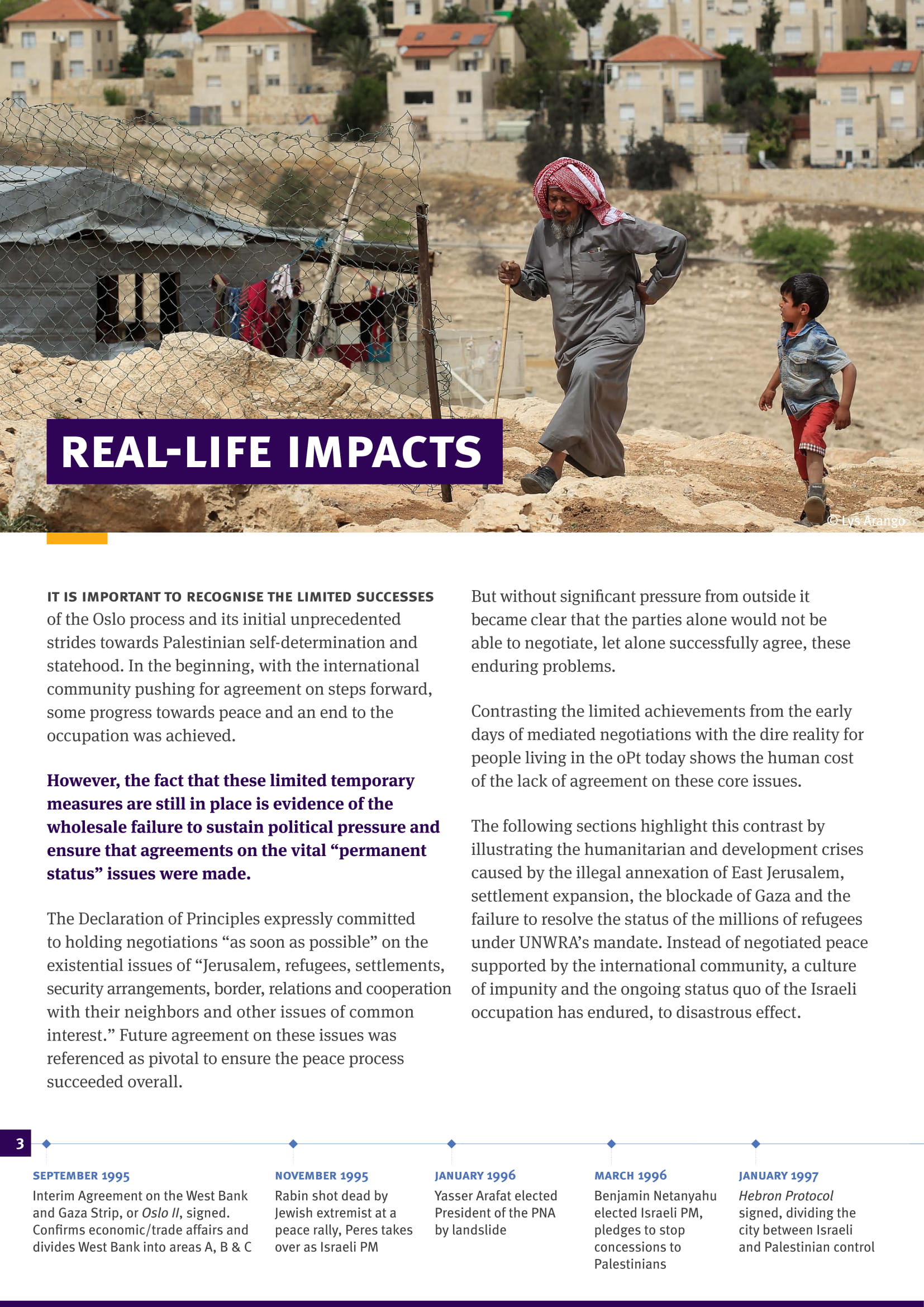
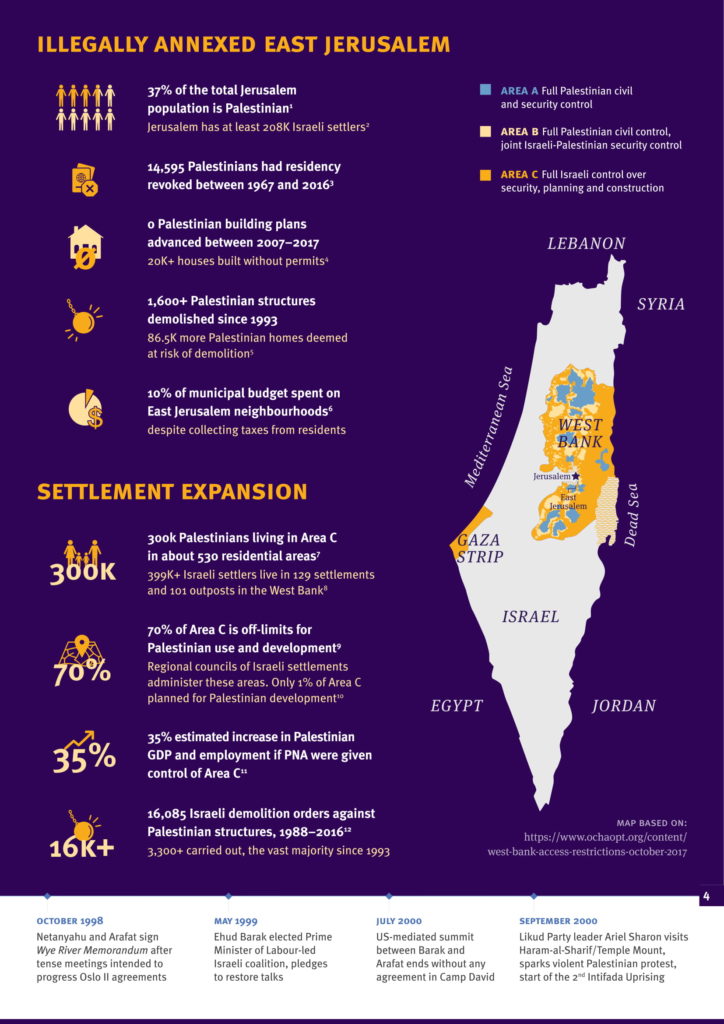
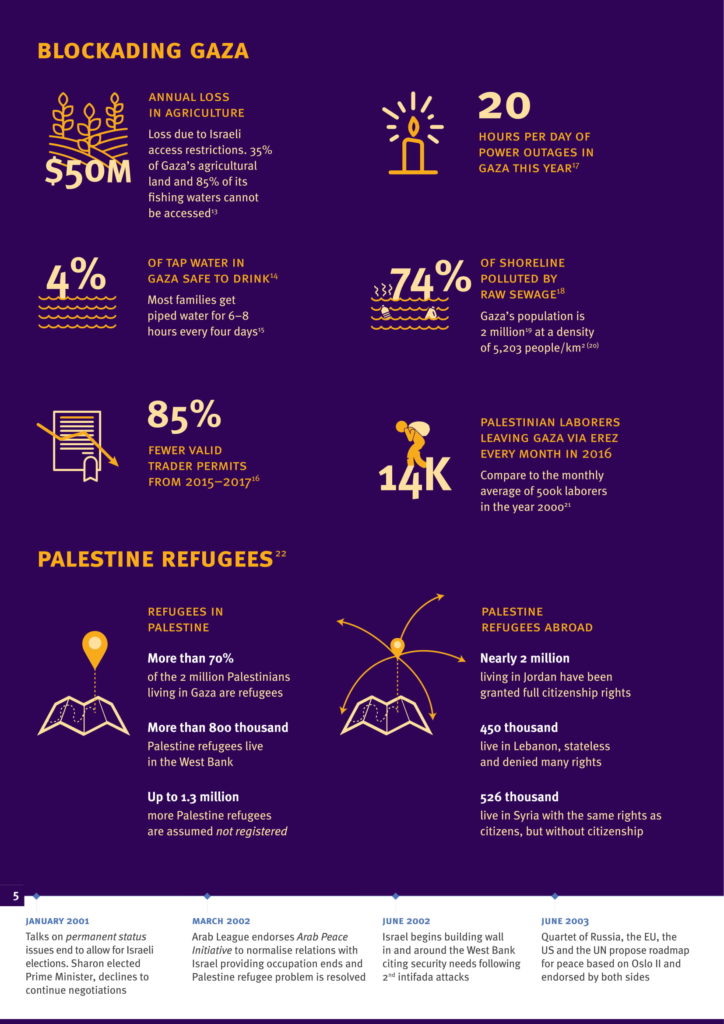
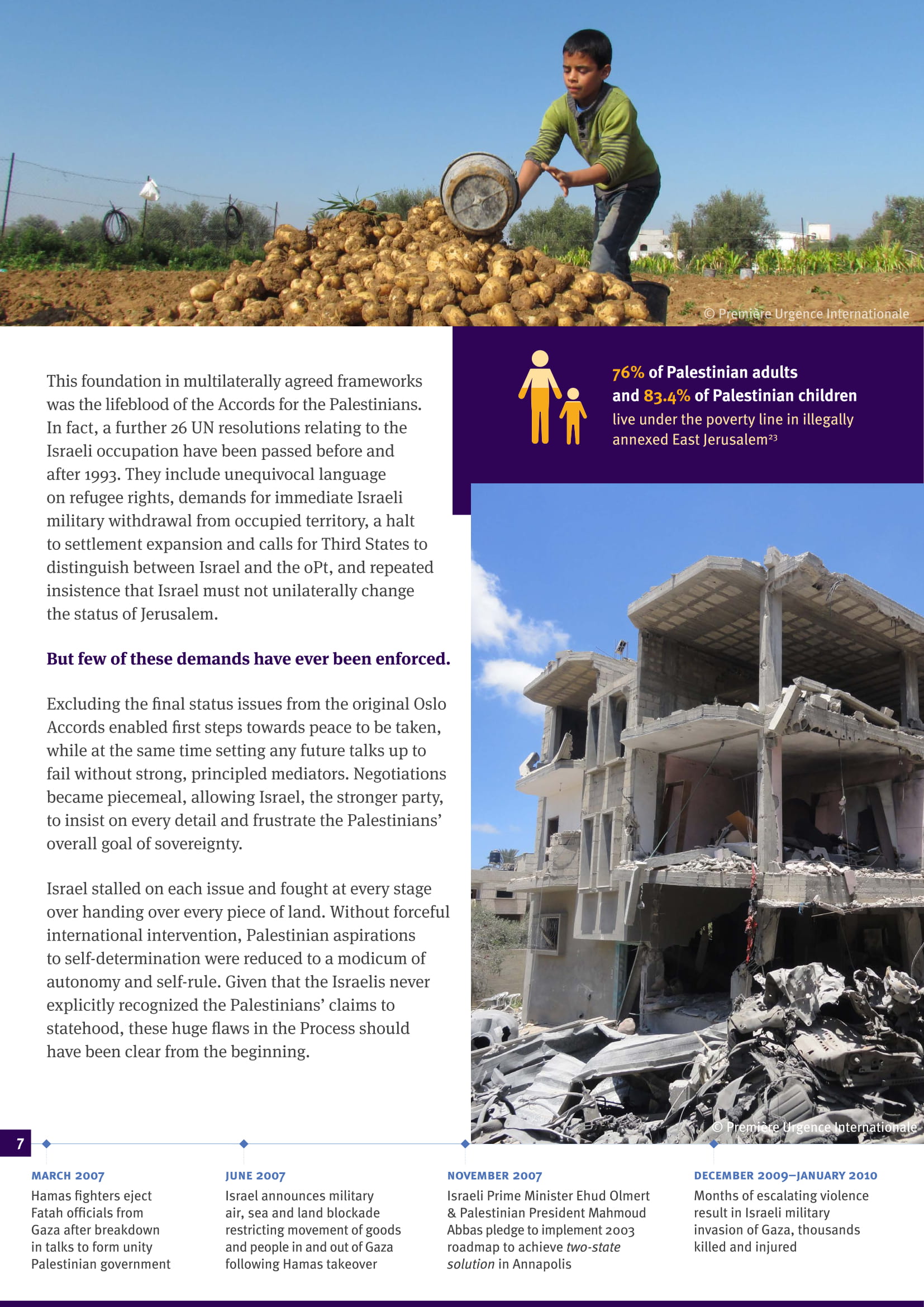
Time for a new narrative: 25 years after the Oslo Accords

Posted on: September 16th, 2018 by comm


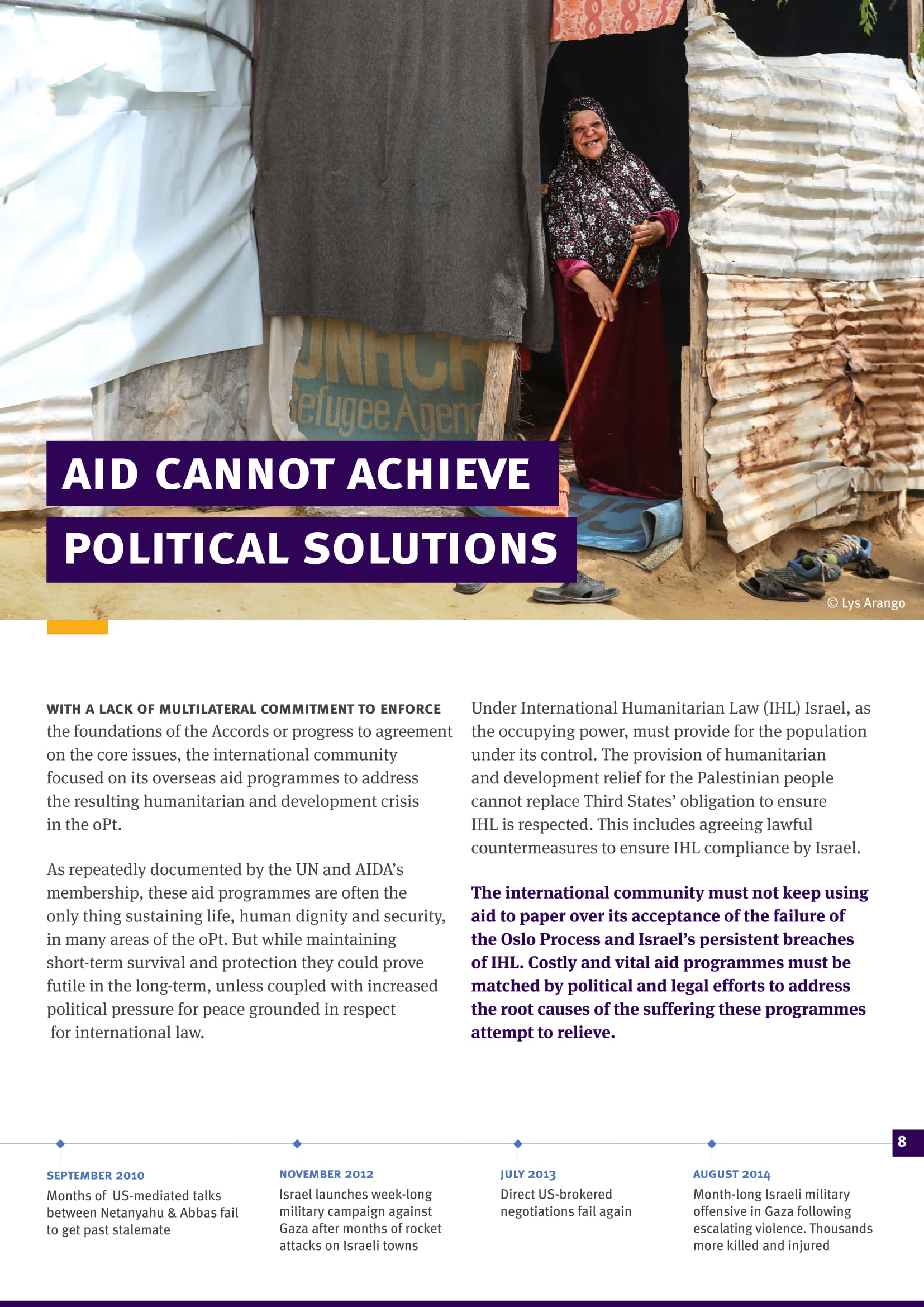
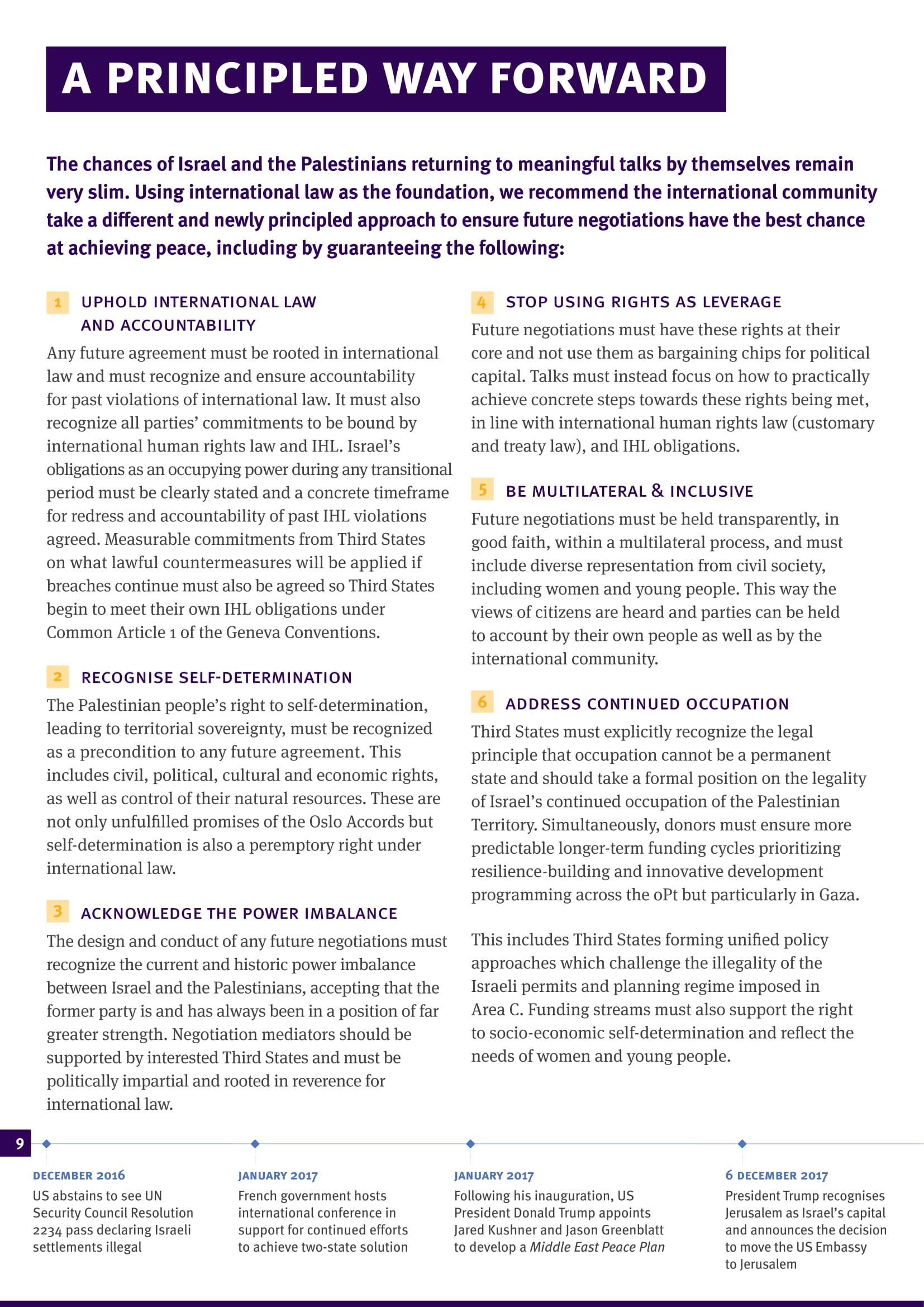
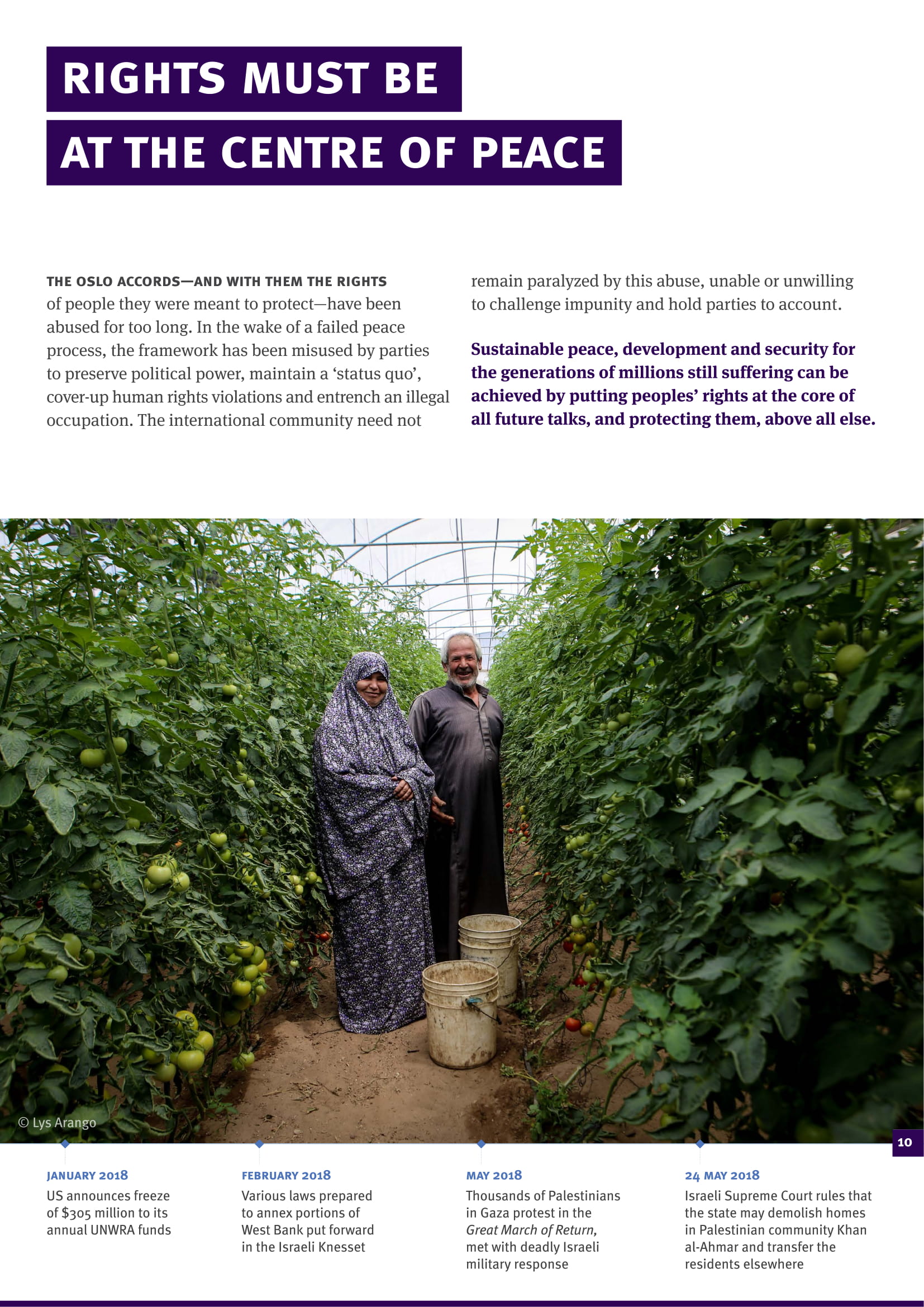
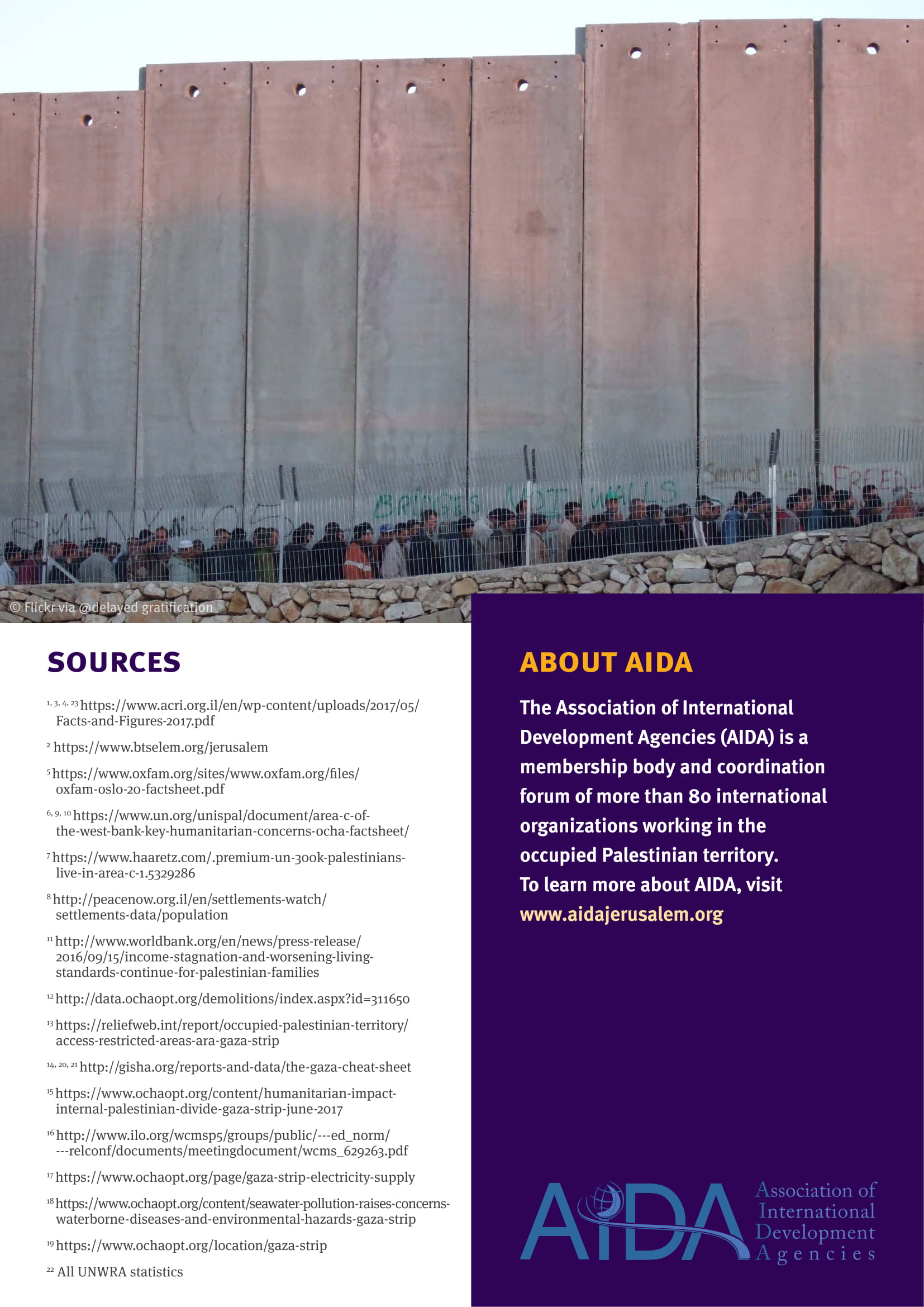
Full report on PDF Oslo 25