Mental health and psychosocial impacts of occupation-related violence in Palestine.

Posted on: November 16th, 2017 by admin

“Mental health and psychosocial impacts of occupation-related violence in Palestine”. November 2017

This document relies on MdM experience in Mental Health since 2005 in Palestine, by leading emergency and long-term programs in both West Bank and Gaza Strip. These projects aim at preventing and limiting psychosocial consequences following excessive use of force from the Israeli military interventions, settler violence and attacks, demolitions in area C, impact of different wars and ten-years blockade in Gaza.

Read here >MdM Factsheet_english


“Let’s talk about Mental Health! “

Posted on: November 14th, 2017 by admin

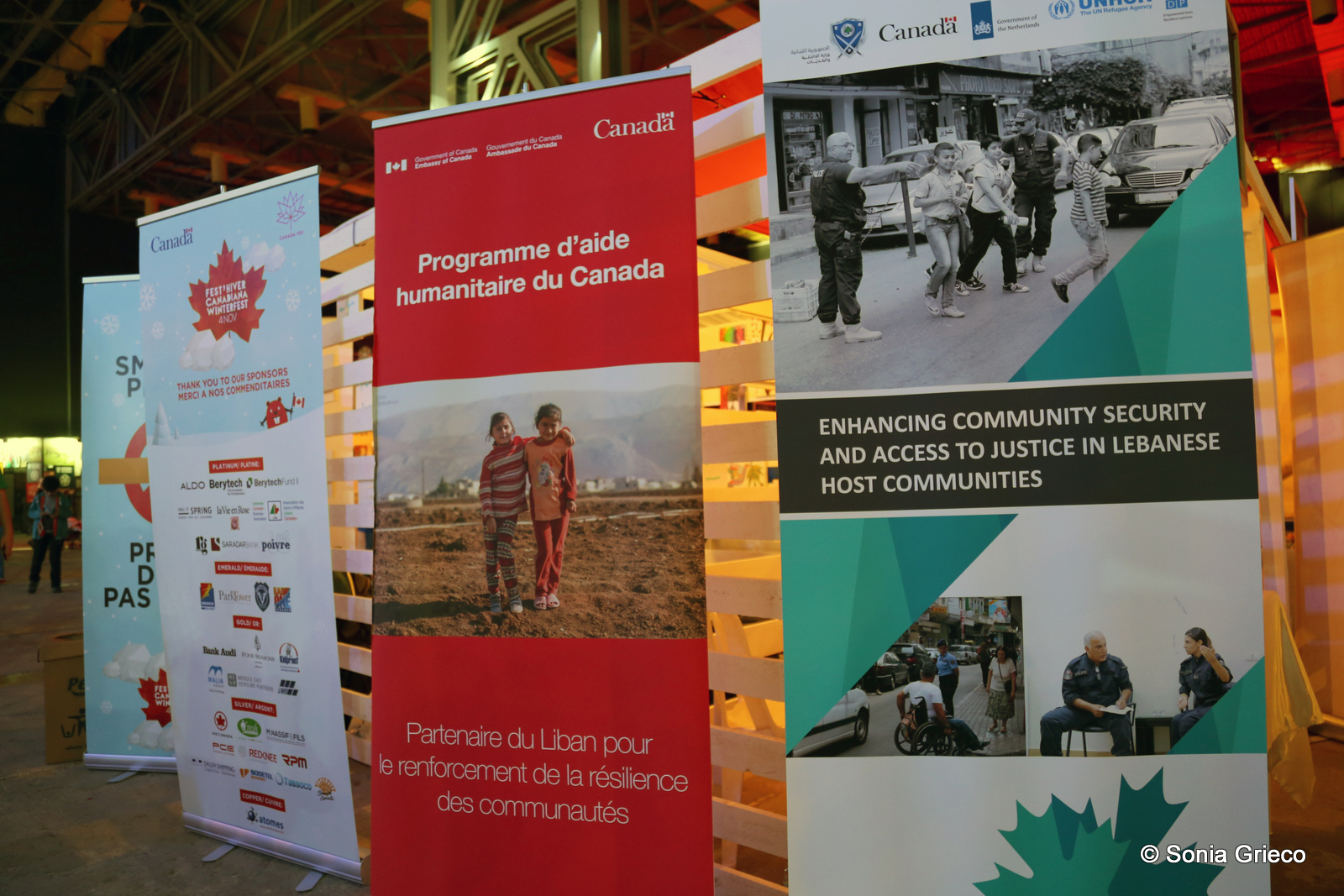
This year 2017, Canada is celebrating its 150th anniversary. As part of the celebration, the Canadian Embassy organized a Winter Festival in Lebanon. It was a unique opportunity to commemorate Canada but also to celebrate the Canada-Lebanon relationship and share and inform Canadians and Lebanese on Canada’s efforts in Lebanon.

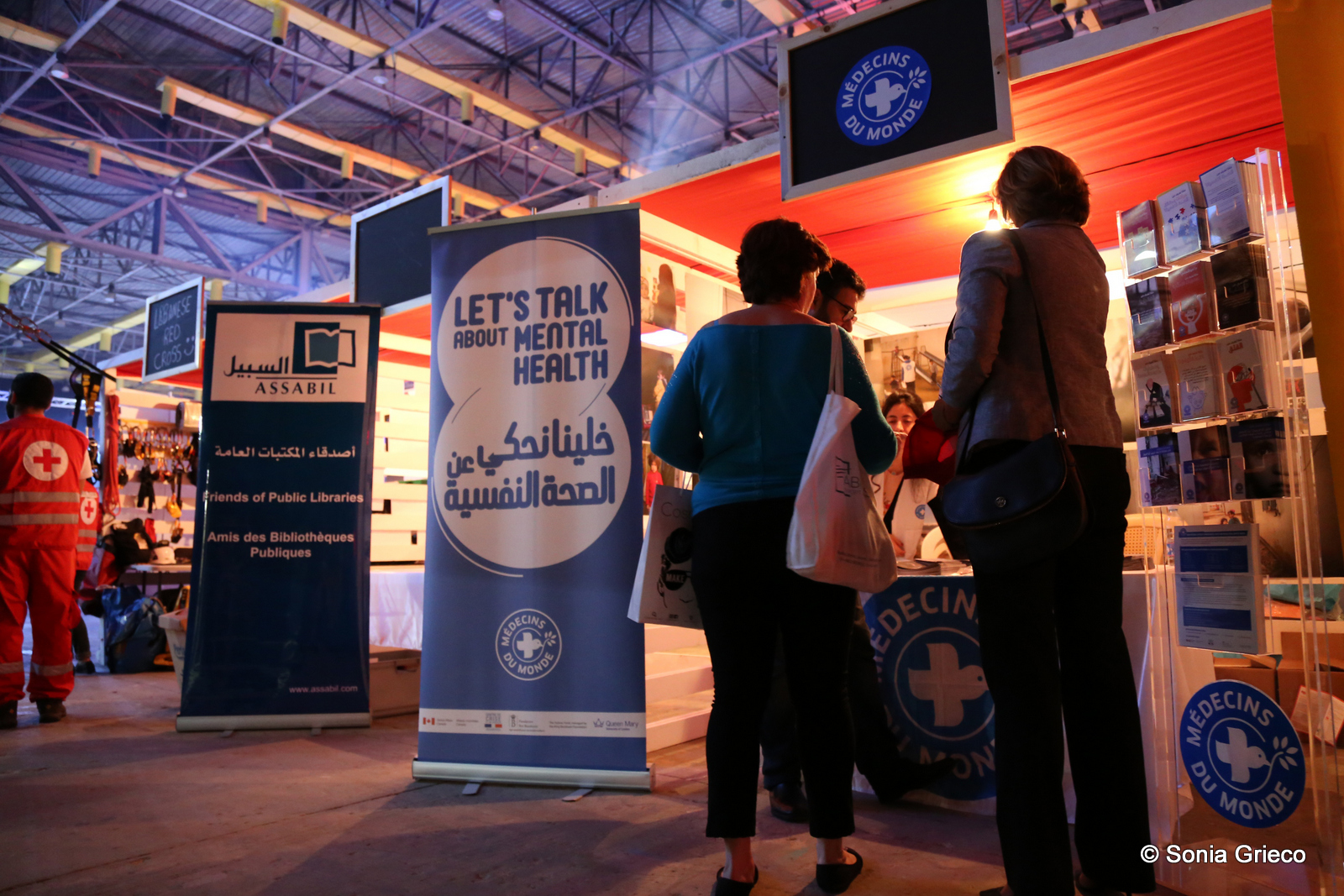
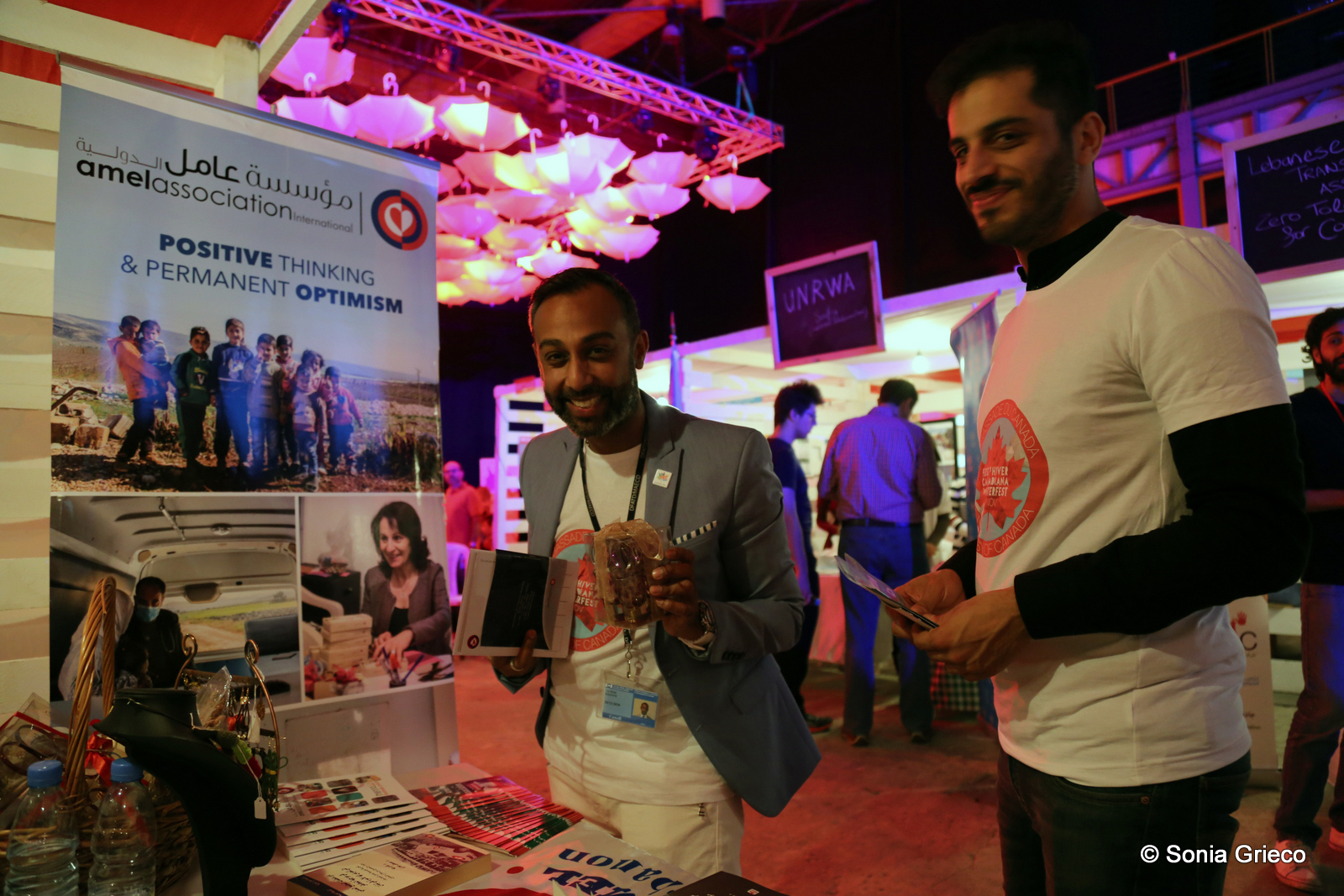
On the 4th of November 2017, The Winter festival, took  place at Forum de Beyrouth, Lebanon. The public had the opportunity to experience a typical Canadian winter festival, full of activities. Our MdM Team in Lebanon was part of the “Winter Canadian Village” made up of stands / booths of different NGOs that Canada supports. The objective of the village was to promote , Canada’s action in Lebanon and held increase awareness of important issues and values.

The theme of Lebanon Mission booth was: “Lets talk about Mental Health”!  Our Lebanese Partner “Amel Association Internationale” also participated in the event.

Check out more about our program in Lebanon >http://mdm-me.org/blog/mental-health-and-psychosocial-support-services-in-lebanon-2/  >http://mdm-me.org/mdm-in-the-middle-east/mdm-in-lebanon/

IMG_9366IMG_9344

IMG_9372

Mental health and Psychosocial support services in Lebanon

Posted on: November 8th, 2017 by admin

Medecins du Monde is an international non-governmental organization providing comprehensive health services to vulnerable populations in over 60
countries. As a leading health actor in the humanitarian field, MdM recognizes the necessity of integrating mental health and psychosocial support
services (MHPSS) as a vital component within its health delivery services.

Since 2012, MdM in Lebanon, has been actively engaged in providing access to MHPSS services and reducing the impact of the Syrian crisis, on the
mental and physical health of the Syrian refugees and vulnerable Lebanese.

Read more >Mental Health paper – Lebanon

Civilians in the line of fire: Syria INGO Regional Forum warns against a false sense of safety in Syria

Posted on: November 6th, 2017 by admin

Thousands of Syrians are still being killed, wounded, displaced, and besieged every day as the war rages on and help is not reaching people in need, the Syria INGO Regional Forum said today. The member organizations warned against a narrative that violence is reducing in the wake of recent political agreements.

Read more >SIRF Statement on Escalation of Violence Nov17_ENG

Voices from the field

Posted on: October 30th, 2017 by admin

In Turkey, due to the difficulty to get a legal status, economic problems, language and cultural barriers, certain Syrian refugees face difficulties in accessing health facilities and other public services. In order to improve access to the relevant services, and therefore their integration into the Turkish public system, Dunya Doktorlari (DDD) case managers help the refugees in addressing a variety of specific needs. The needs include education, legal advice and administrative support when faced with discrimination based on race or nationality.

The case manager starts by meeting the beneficiary, listening to him/her and assessing the needs and concerns. Depending on each beneficiary needs and demands, the person is referred and accompanied to relevant services when needed (NGOs, lawyers, education services, administrative services, health services). The team helps beneficiaries to have access to legal status, shelter, administrative, healthcare education and, juridical services…

Several beneficiaries have already felt the impact of the program and the following success stories illustrate the situation. 3 stories, 3 different people, 3 lives that changed.

Ayman is a 32 years old Syrian Refugee, who started to feel more empowered after 4 months of looking for a way to receive an ID card to help him access secondary health care service to treat his infected leg.  He tried alone but all doors were closed. He was dealing with pain and uncertainty for a while but now he is much better and ready to move forward. DDD assisted him in applying and receiving the Kimlik (ID card) from Safakoi immigration Center and also helped him access a governmental hospital and got the surgery he needed after 4 months of suffering and hopelessness.

Ayman is healthier, stronger, and finally managed to secure a job at a small market in Sultan Gazi, Turkey. He told us: “The DDD case management program has helped me to regain my independence, self-worth and self-esteem, literally it helped me save my life.”

Aysha is a 34 years old Syrian refugee, she managed to enroll her kids in school a year after her arrival in Turkey. She knocked on many doors, visited many schools but never received the assistance she needed due to the language barrier and lack of information about schools accepting Syrian students. The team helped her in searching a school for her kids and enroll them after one year being in Turkey. She is now ready to look for a job and support her family.

Ahmad is a 19 years old Syrian Refugee who feels more independent and empowered after completing a free Turkish language course at ISMEK language school.  Ahmad is a very skilful machinery technician, he has been looking for jobs for more than a year with no results. Employers acknowledged his skills but refused to hire him because he couldn’t speak Turkish.  He couldn’t afford a private language school back then and felt powerless.

DDD case management program helped him enrolling in a free language course, gave him the emotional support he needed and now he is working for Elektronik Makas. Ahmad says he is smiling a lot more these days and he is now able to envision success in his new life.

The case management team is the driving force behind these success stories. The number of beneficiaries requesting to participate in case management is steadily growing and the team is looking forward to improving lives for more and more people…


World Mental Health day: Mental health must be a priority in the context of the Syrian Crisis.

Posted on: October 10th, 2017 by admin

On the occasion of World Mental Health Day, Médecins du Monde (MdM) emphasizes that mental healthcare must be a priority in crisis settings as we can experience in the context of the Syrian crisis. The ongoing Syrian conflict is resulting in enormous psychosocial consequences on millions of civilians, and moreover, is likely to spread over generations. Needs are huge, and facilities and human resources scarce. As such, Médecins du Monde not only provides direct mental health and psychosocial support services within Syria and neighboring countries, but also, calls for the necessary investment in the development of comprehensive mental health national systems that are capable of providing effective, accessible, and affordable services.

After six years of war and constant exposure to trauma, Syria is experiencing a mental health crisis that cannot be neglected. The ongoing conflict has resulted in massive population displacement and growing humanitarian needs inside Syria and in surrounding countries. The United Nations estimates that 6.3 million people are displaced inside the country, and that a total of 13.6 million are in need of humanitarian assistance inside Syria. The experience of ongoing ground battles, continuous air assaults and shelling is undoubtedly triggering high levels of psychological distress amongst the Syrian population, that if gone unnoticed and untreated, may unfortunately give way to higher levels of mental health concern within the community.

Though mental health and psychosocial needs are significant, national capacities within Syria and neighboring countries are strongly limited, and cannot absorb all the needs and gaps; thus, rendering them heavily reliant on international agencies and NGOs for the provision of MHPSS services.

As articulated by MdM’s President Francoise Sivignon: The Syrian crisis affects millions of people inside and outside the country. Therefore, we believe that quality mental health and psychosocial support must be easily accessible and affordable for those in need of such services. This is the reason why we are present in the region and our activities focus on strengthening the integration of MPHSS services within the primary health care level’. She also added: ‘Mental health cannot be an option in such a protracted conflict. It must be a sustainable priority from now and for the years ahead’.

As a health actor responding to the Syrian crisis, directly and supporting local partners, Médecins du Monde recognizes the necessity of integrating MHPSS as a vital component within its health delivery services. For the first six months in 2017, MdM has successfully provided 13,481 MHPSS consultations for beneficiaries in need of MHPSS support and/or treatment, inside Syria and in neighboring countries hosting Syrian refugees. Moreover, in considering the current and future needs of the said populations, MdM takes an active role in supporting the will of national governments to develop and/or restructure their overall mental health infrastructures. In doing so, MdM recommends that necessary political priority and investment are to be given to the following MHPSS domains:

  • Proper integration of MHPSS services at the primary care level, in Syria and in the neighboring countries
  • Encourage and support the development and implementation of national mental health strategies, policies, and legislation.
  • Support the development, training, and capacity building of needed MHPSS human resources.
  • Encourage, collaborate, and invest in MHPSS field research
  • Increase funding to ensure proper MPHSS services are appropriately responding to the existent needs.

Access to sexual and reproductive health – a human right at risk

Posted on: August 15th, 2017 by admin

Access to sexual and reproductive health, that includes access to family planning, is one of the thematic priority of Médecins du Monde France (MdM). Since 2013, MdM is conducting a program on sexual and reproductive health in Gaza to improve access to quality service for family planning and reduce the risk of unwanted pregnancy for women of reproductive age in the governorate of Middle Area of Gaza

Read our factsheet>GAZA-ENG-BD

Refugees in Jordan

Posted on: August 14th, 2017 by admin No Comments

37 % of Syrian refugees outside camps are unable to access health services. > JIF infographic forgotten issues

© JIF (Jordan INGO Forum ) Advocacy Working Group


NGO statement on Iraq

Posted on: July 17th, 2017 by admin

As the members of the global coalition to counter ISIL met in Washington D.C.  28 non-governmental organizations working to provide assistance and protection for civilians affected by the conflict in Iraq share the following concerns and recommendations.

Check them out >Iraq joint advocacy statement

PALESTINE | Living under occupation (2/2)

Posted on: July 6th, 2017 by admin

IN GAZA, THE BLOCKADE KILLS AND MAIMS

One of the worst consequences of the blockade is the generally poor health of the population. The problem is manifest in many ways, beginning with material shortages. With frequent power outages, medical technology – x-ray equipment, for example – operates below capacity. Even where generators are available, they are unable to provide the necessary power for equipment to function correctly. Consumables and drugs such as pain-killers or antibiotics are in short supply. As it’s very difficult to leave the Gaza Strip, doctors are unable to receive proper training. In an attempt to counter this situation, MdM has concentrated its work on emergency readiness (Gaza has had 3 wars in the last 10 years). Doctors have been specially trained in emergency treatment, hospitals and health centres have been equipped with the necessary supplies, and special attention is given to the correct triage of victims in an endeavour to save as many lives as possible. The blockade has also severely affected the mental health of the people of Gaza. Cases of depression, insomnia and even suicide are on the rise. People have even died because of the blockade, their applications for exit from Gaza on medical grounds either refused or approved far too late. Today, not even humanitarian imperatives can systematically guarantee the basic human right to health care anymore.
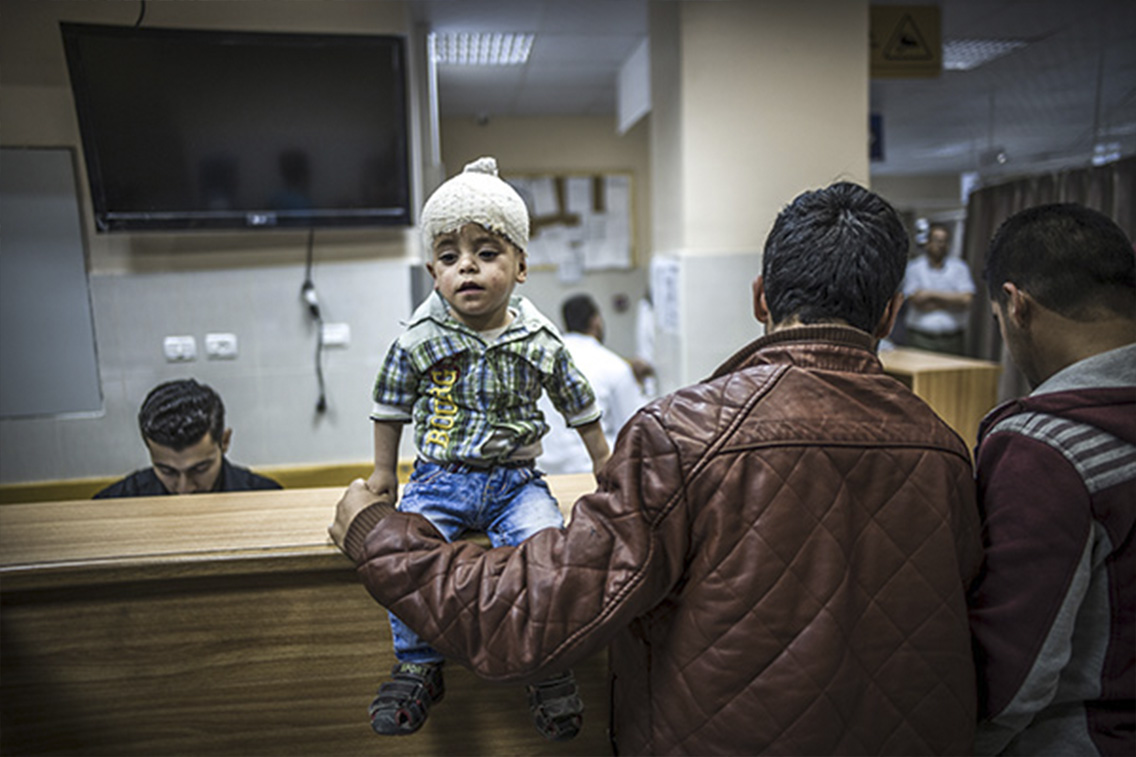
3 In Nasser hospital in Khan Yunis, the emergency department, which opened 6 months ago, receives 400 patients per day.
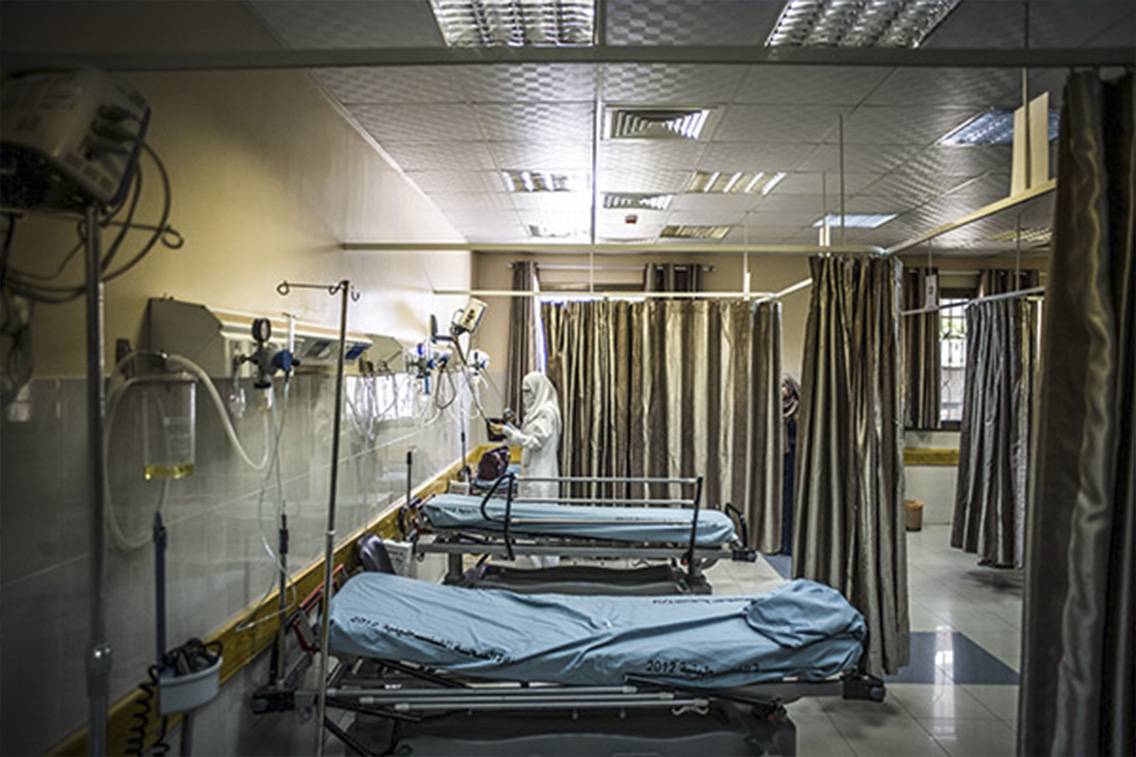
15 MdM has given the medical personnel of the Nasser hospital special training in emergency assistance.
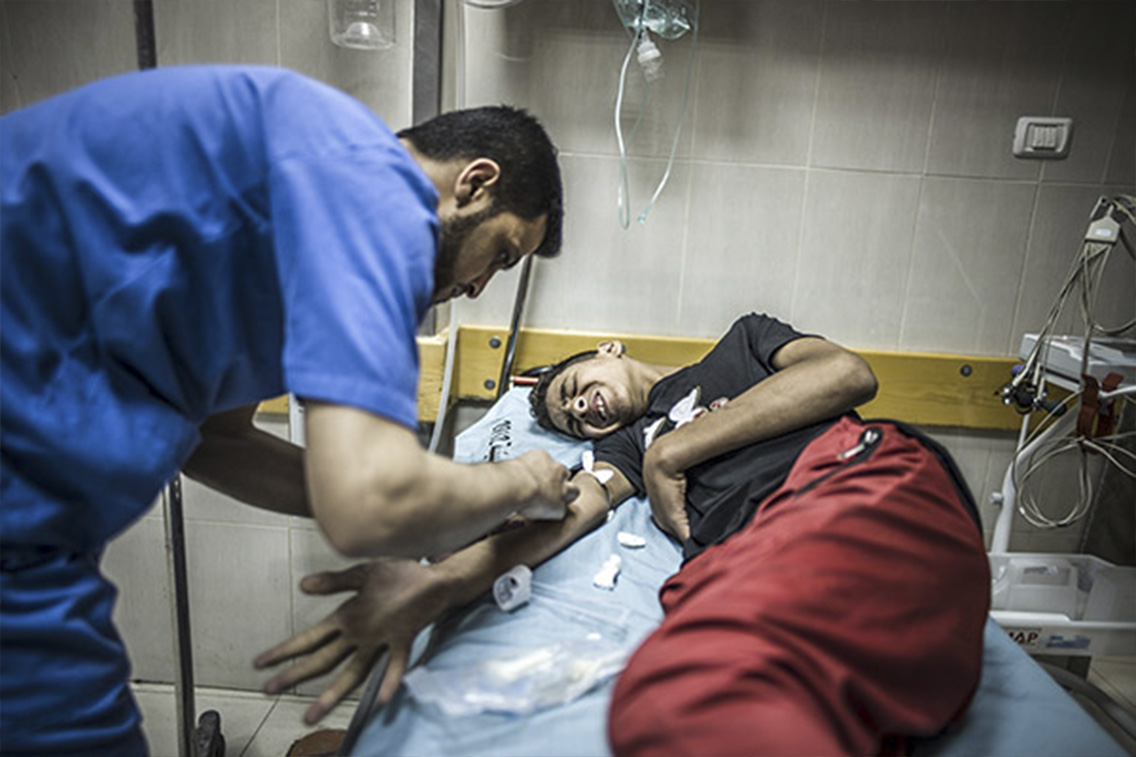
13 One of the biggest consequences of the blockade is the shortage of medical supplies and equipment.
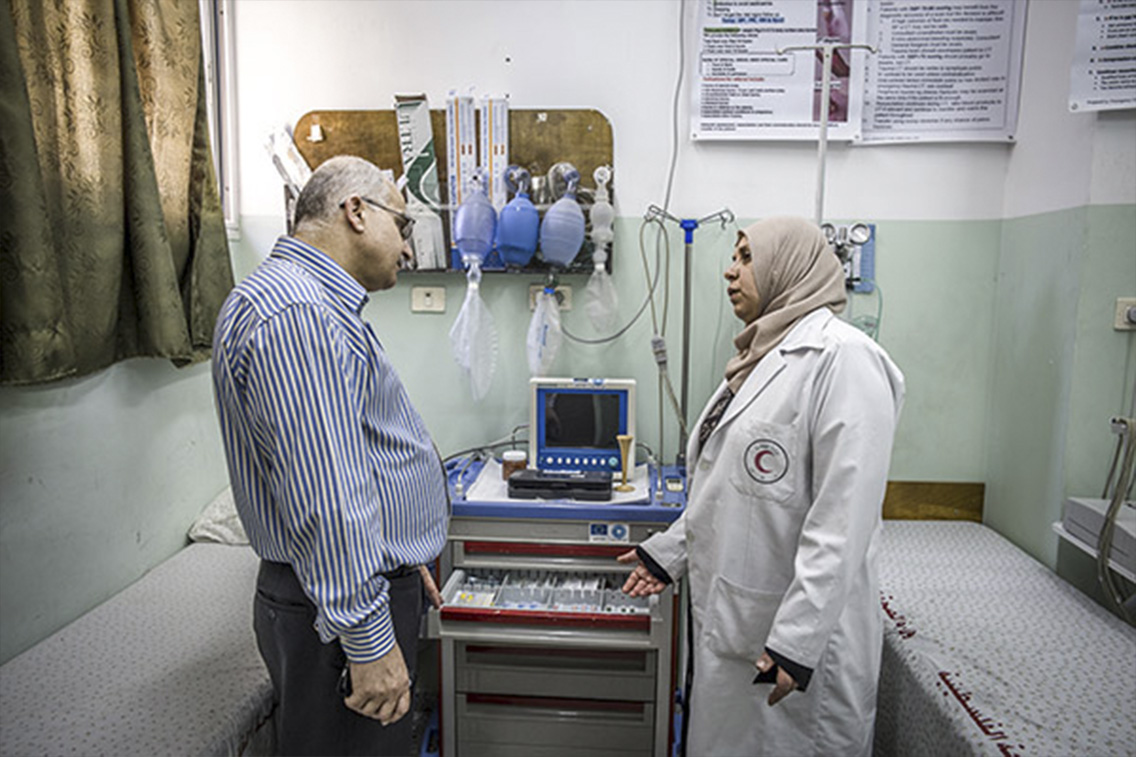
17 In addition to hospitals, MdM has also equipped 6 primary health centres with emergency treatment rooms, training their personnel accordingly. 

BEING A WOMAN IN GAZA – A DOUBLE AFFLICTION

With life an everyday struggle just to eat, care for themselves and bring up their children, women in Gaza also have cultural and family pressures to contend with. Few women are free to choose when they want to have a child. Like medicines, contraceptives are in short supply because of the blockade. Abortion is only allowed in extreme cases, and only if a woman’s husband or legal guardian – and the religious authorities – give their consent. Women with cancer bear a double affliction too. Out of fear of being abandoned by their husbands, they often hide their illness from those closest to them. As chemotherapy is not available locally, they have to apply for permits to leave Gaza. But these permits are granted on fewer and fewer occasions, especially when someone in the applicant’s family is on record as a political activist. These women are also pressed by the Israeli authorities to act as informants, which they refuse to do. And so they become hostages of politics as well as illness. Unable to receive proper treatment, only 50% of Gazan women with breast cancer – which represents one case of cancer in every 10 – survive. In Israel, the recovery rate is 80%. The Gaza association CFTA (Free Thought and Culture), a long-standing partner of MdM, holds confidence-building talking sessions designed to help women overcome the difficulties they face. 1 The issue of unwanted pregnancy is still a major taboo in Gaza.
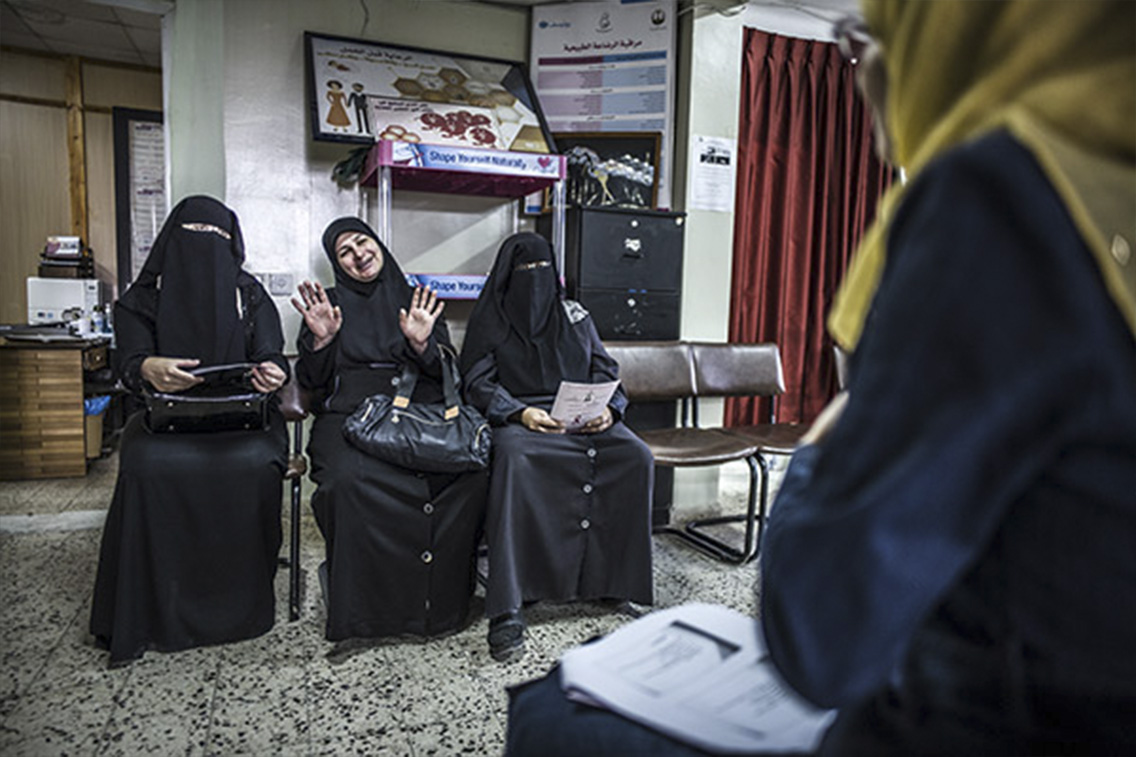
10 Awareness-building sessions and debates are regularly held in CFTA centres, like this one in the Al Bureij refugee camp.

RESTRICTED AREAS: CIVILIANS IN DANGER

In Gaza, certain areas near the frontiers are subject to access restrictions unilaterally imposed by Israel with no legal justification. In these buffer zones that encroach upon Gazan territory, Israel reserves the right to act as it sees fit, including recourse to the military. Implemented for “security” reasons along the land frontier and also at sea, these restricted areas – where thousands of farmers and fishermen work and gain their subsistence – are frequently the scene of shootings by the Israeli forces. Almost 10% of the population of Gaza is directly affected by this situation, and incidents occur regularly. At sea, it’s very difficult for fishermen to know if they’ve strayed into the restricted zone – even though most attacks have occurred inside authorized zones. With six Israeli military boats on permanent patrol, even the horizon is closed. On 15 April 2017, Fadi lost his brother, shot dead by Israeli soldiers. Fadi’s been fishing with his family for 15 years now. In that time, he’s been attacked on four occasions and his boat confiscated ten times or more. But he still loves his livelihood, so does Mardleen. The only fisherwoman in Gaza, she too has been the victim of violence. She has taken first aid training with MdM teams so she can help her community and be an individual in her own right. 11 Fadi is one of 3,750 fishermen now working in Gaza. They are regularly attacked by the Israeli security forces. He lost his brother in one such attack.
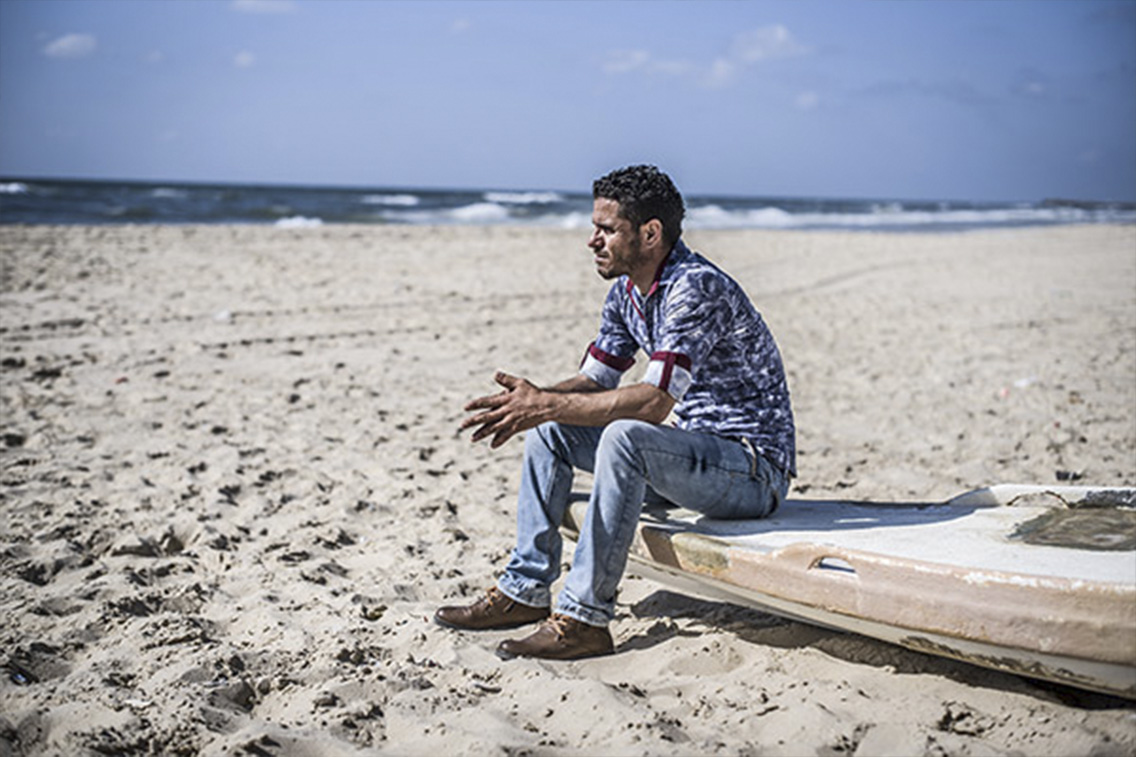
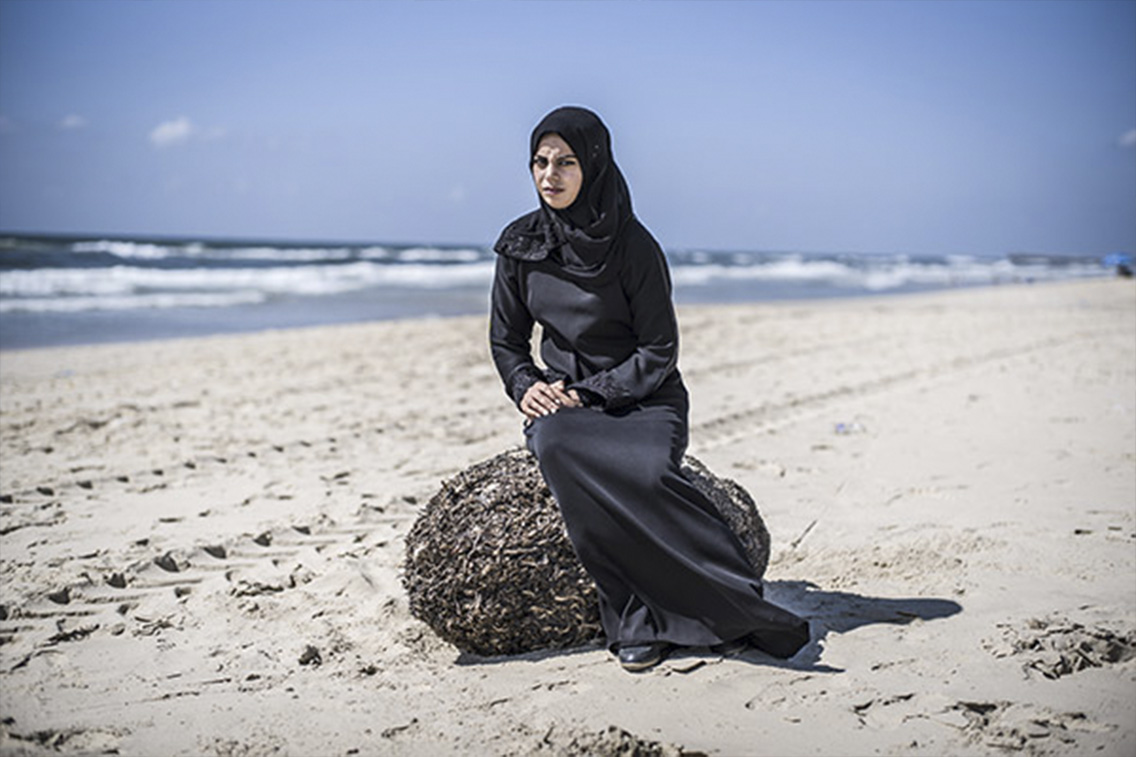
14 Mardleen was wounded at sea a few months ago, and has decided to train in first aid with MdM.

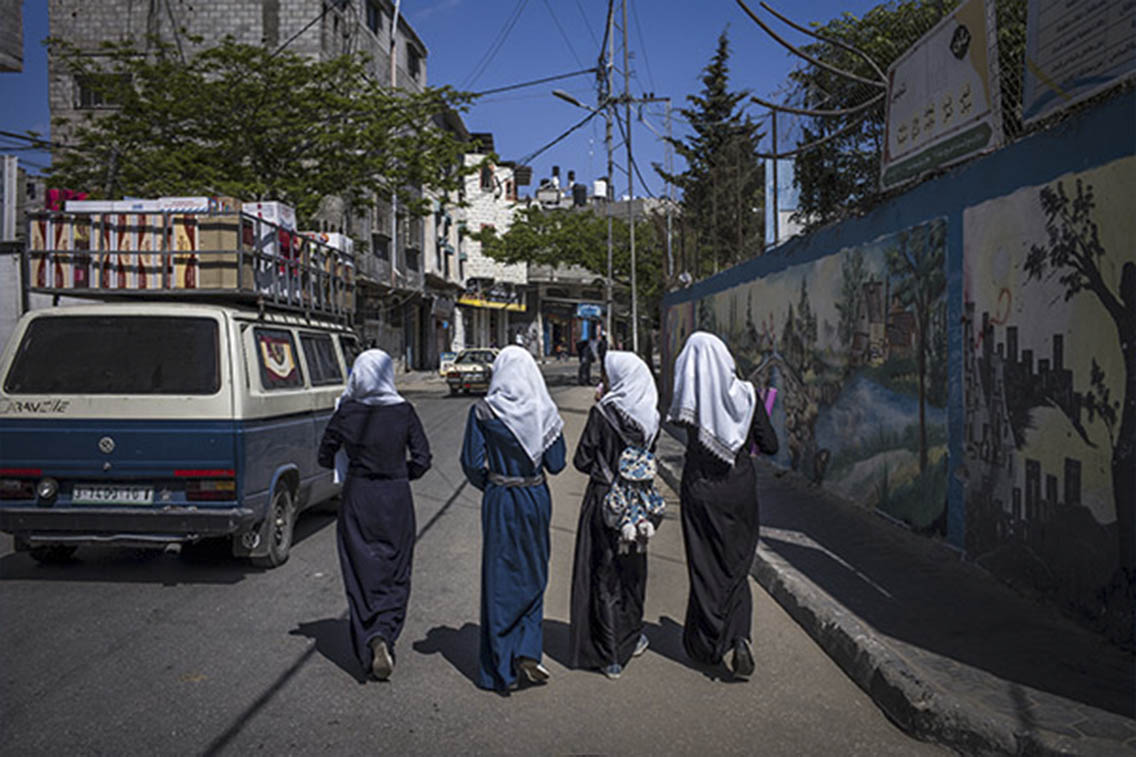
WHAT FUTURE FOR THE YOUNG PEOPLE OF GAZA?

The youth and the talent are there. Educated and well-trained, the under 18 youth of Gaza accounts for over half of the enclave’s population. But in a territory that’s crying out for development, over 60% of young people are unemployed. As Assma, 20, observes: “We live an extraordinary life in Gaza. We can’t think about tomorrow, otherwise we’d go mad”. For Youssef, “you have to be very strong to live in Gaza, but the Palestinians are resilient”. The only way out of this open-air prison are the Internet and social networks. Even music is subject to restrictions, as Hamas only allows traditional Arabic songs. Yet there is hope. Majeda Al Saqqa, the charismatic founder of NGO Free Thought and Culture (CFTA), says: “One day we’ll regain our rights, for everything’s illegal here and I believe in justice. It may take 10, 20 or 50 years, no matter. These are very short times on the longer scale of History, which will prove us right.” 9 CFTA organizes social and psychological wellness sessions in its 5 centres to increase the resilience of young Gazans.
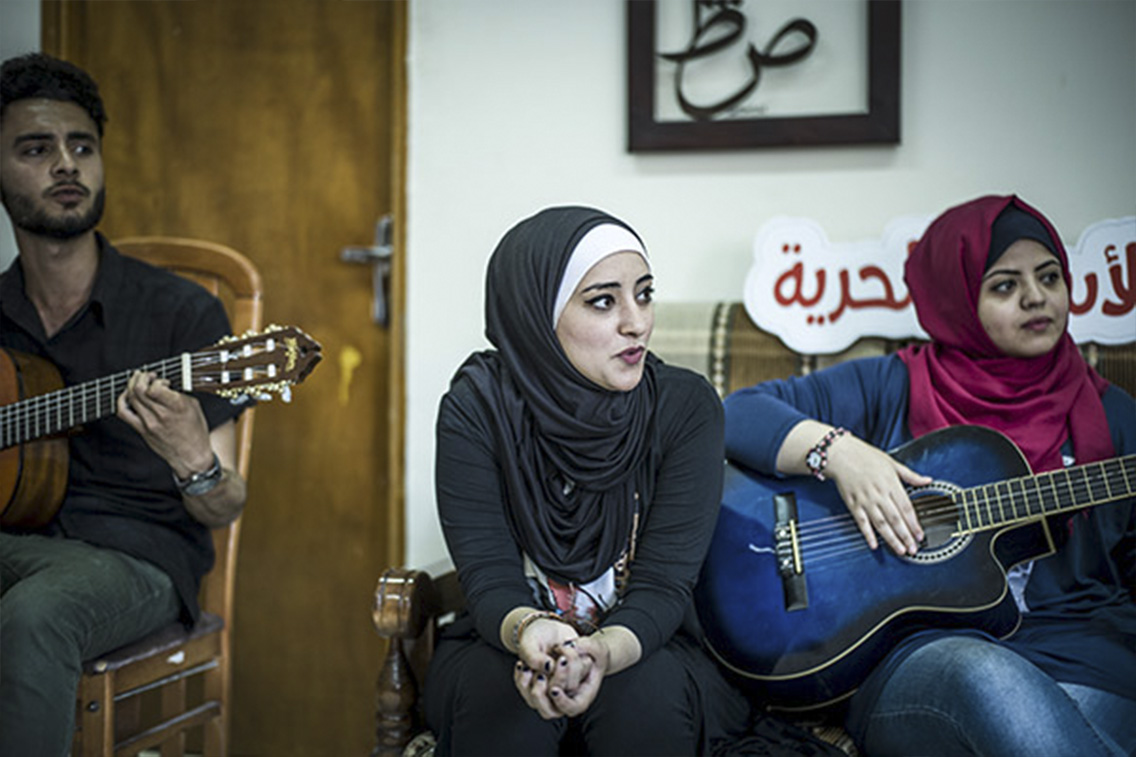
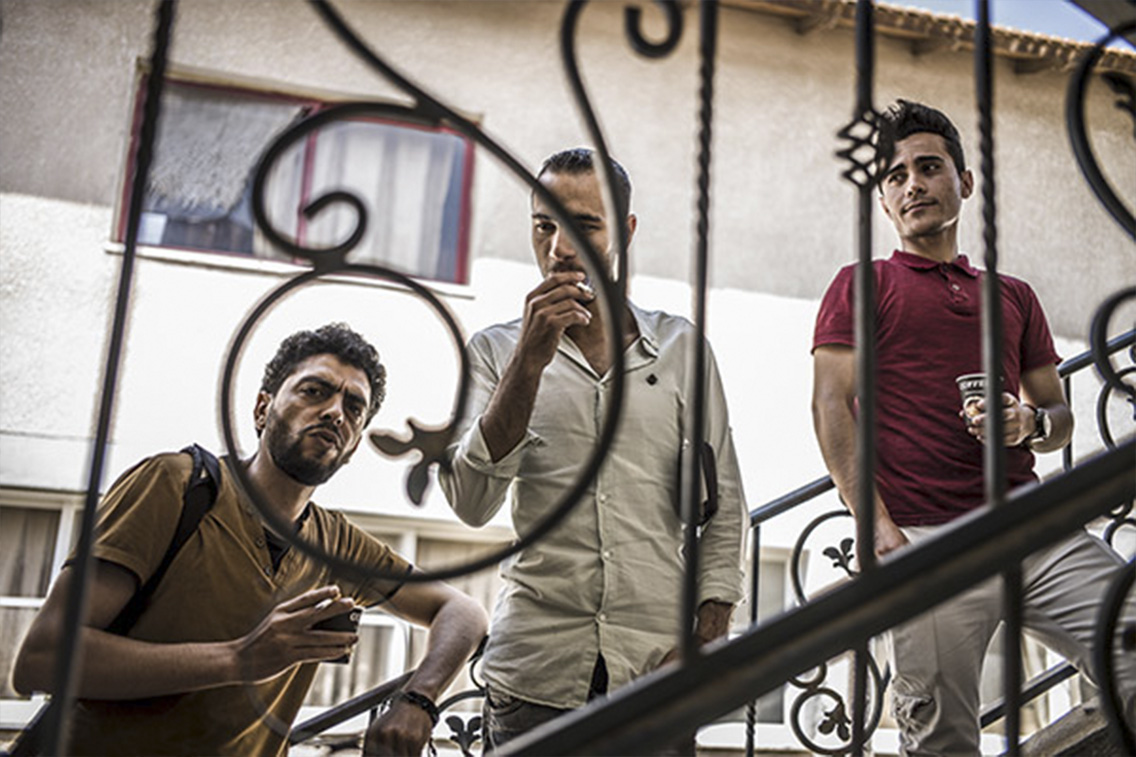
12 Thanks to the support of CFTA, these young men have set up a local radio station to express their views on their daily lives.
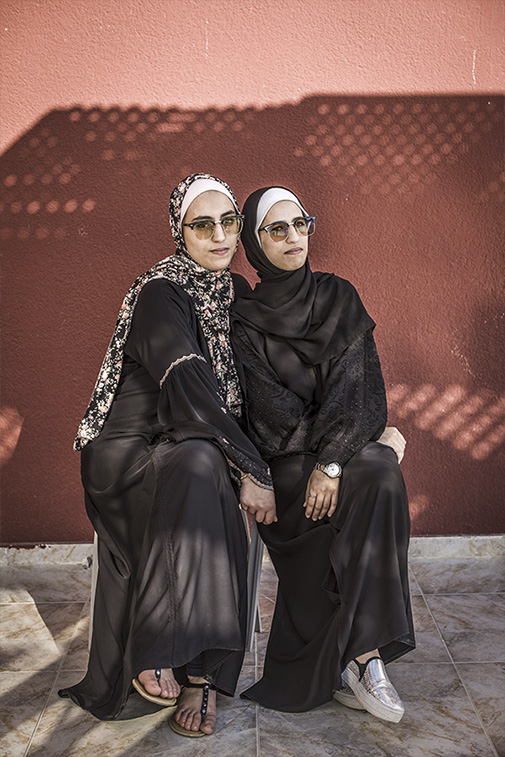
4 Assma and Saga are twin sisters aged 20. Both study architecture. They dream of pursuing their studies in Lille.