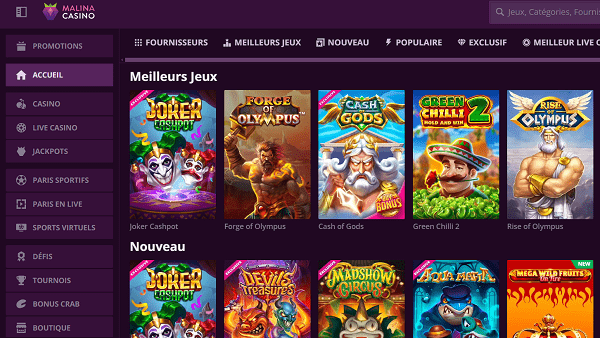
- Modern platforms extend gaming reach with ringospin for better user experiences
- Enhancing User Engagement Through Interactive Rewards
- The Psychology of Reward Systems
- Personalization and Adaptive Gameplay
- The Role of Social Integration
- Monetization Strategies and Ethical Considerations
- Future Trends in Gaming Platforms
Modern platforms extend gaming reach with ringospin for better user experiences
The digital landscape is constantly evolving, pushing the boundaries of how we interact with games and online entertainment. Traditional gaming models are being challenged by innovative platforms designed to enhance user engagement and broaden accessibility. One such innovation gaining traction is the concept of incorporating dynamic reward systems and interactive elements, exemplified by platforms utilizing features like ringospin to create a more compelling experience for players. These systems are not simply about winning prizes; they’re about building a sense of community, fostering loyalty, and extending the lifespan of a game.
The core principle behind these advancements is recognizing that modern gamers demand more than just a functional game; they seek immersive, rewarding, and social experiences. Successfully fulfilling these needs requires a move away from static designs and toward adaptable, player-centric platforms. This includes incorporating features that personalize gameplay, encourage repeat engagement, and integrate seamlessly with existing social networks. Platforms are actively exploring ways to leverage data analytics to refine these experiences, ensuring they remain relevant, engaging, and ultimately, profitable. The focus is shifting from simply attracting users to retaining them and cultivating a dedicated player base.
Enhancing User Engagement Through Interactive Rewards
Modern gaming platforms are increasingly focused on strategies to maximize user engagement, and interactive reward systems are a prominent component of this approach. These systems move beyond simple static bonuses, offering players a dynamic and unpredictable experience. Implementing a system that incorporates elements of chance and skill, like a virtual spin wheel or tiered reward structure, can substantially increase time spent on the platform. The anticipation of a potential reward, even a small one, triggers positive neurological responses, encouraging players to return and participate frequently. This is particularly effective in driving habitual engagement, transforming casual players into loyal customers. It's not just about the prize itself; it's about the thrill of the possibility.
The effectiveness of these systems hinges on several key factors. First, the rewards must be perceived as valuable by the target audience. This doesn't always equate to monetary value; exclusive content, early access to new features, or cosmetic items can be equally compelling. Second, the system must be transparent and fair. Players need to understand the probabilities involved and feel confident that the outcome is not rigged. Third, the integration should be seamless and intuitive. A clunky or confusing reward process can detract from the overall gaming experience. Finally, platforms need to continually analyze data to refine the reward structure, ensuring it remains engaging and aligned with player preferences.
The Psychology of Reward Systems
Understanding the underlying psychological principles is crucial for designing truly effective reward mechanisms. Operant conditioning, a concept pioneered by B.F. Skinner, explains how behaviors are reinforced through positive and negative consequences. Gaming platforms leverage this by offering rewards — positive reinforcement — to encourage desired behaviors, such as daily logins, completing challenges, or making in-app purchases. The intermittent reinforcement schedule, where rewards are given unpredictably, is particularly potent in driving engagement because it creates a sense of anticipation and prevents the behavior from becoming habituated. This is where concepts akin to ringospin come into play, providing that element of unpredictable delight.
Beyond operant conditioning, the principles of loss aversion also contribute to the effectiveness of these systems. People are generally more motivated to avoid a loss than to acquire an equivalent gain. Platforms can tap into this by framing rewards as something that could be “lost” if certain actions aren’t taken, such as daily login bonuses or limited-time offers. Additionally, the endowment effect, where people place a higher value on things they own, can be leveraged by providing players with virtual possessions that they become emotionally attached to. Successful implementation requires a nuanced understanding of these psychological drivers and a commitment to ethical design practices.
| Reward Type | Engagement Impact | Implementation Complexity |
|---|---|---|
| Daily Login Bonus | High – Encourages consistent return | Low – Relatively simple to implement |
| Tiered Reward System | Medium – Motivates progression | Medium – Requires tracking player progress |
| Random Prize Drops | High – Creates excitement and anticipation | Medium – Requires a robust random number generator |
| Exclusive Content | High – Appeals to dedicated fans | High – Requires creating unique assets |
As seen in the table above, different reward types have varying levels of impact and complexity. Choosing the right combination depends on the specific game and target audience. Platforms should test and iterate to find the optimal reward structure for maximizing engagement.
Personalization and Adaptive Gameplay
Generic gaming experiences are rapidly becoming obsolete. Modern players expect personalization – a game that adapts to their individual preferences and skill level. This necessitates platforms to collect and analyze player data, not just to identify broad trends, but to tailor the gameplay experience on a one-to-one basis. Adaptive difficulty levels, customized content recommendations, and personalized reward systems all contribute to a more engaging and satisfying experience. A player who consistently demonstrates a high level of skill, for instance, should be presented with more challenging content and more significant rewards to maintain their interest. Similarly, a new player should be eased into the game with tutorials and easier challenges.
Personalization goes beyond simply adjusting difficulty. It also encompasses the visual and auditory elements of the game. Allowing players to customize their avatars, choose their preferred music, or select their preferred control scheme can significantly enhance their sense of ownership and immersion. Furthermore, platforms can leverage data to predict player behavior and proactively offer assistance or guidance when needed. For example, if a player consistently struggles with a particular level, the platform could offer hints or power-ups to help them overcome the challenge. The goal is to create an experience that feels uniquely tailored to each individual, fostering a sense of loyalty and encouraging long-term engagement.
- Data Collection and Analysis: Gathering comprehensive data on player behavior is the foundation of personalization.
- Adaptive Difficulty Scaling: Dynamically adjusting the game's challenge based on player skill.
- Content Recommendation Engines: Suggesting relevant content based on player preferences.
- Personalized Reward Systems: Offering rewards tailored to individual player achievements and interests.
- Customizable Game Elements: Allowing players to personalize their gaming experience.
The implementation of these strategies requires robust data analytics infrastructure and a commitment to player privacy. Platforms must be transparent about how they collect and use player data, and they must provide players with control over their privacy settings. However, the benefits of personalization – increased engagement, improved retention, and higher customer lifetime value – are well worth the investment.
The Role of Social Integration
Gaming is increasingly a social activity. Players want to connect with friends, compete against each other, and share their experiences. Platforms that seamlessly integrate social features are more likely to attract and retain users. This includes features such as leaderboards, friend lists, in-game chat, and social media sharing. Allowing players to easily share their achievements and accomplishments on social media can generate buzz and attract new players. Furthermore, platforms can leverage social networking to facilitate the formation of communities around the game. This fosters a sense of belonging and encourages players to return repeatedly.
Social integration also extends to collaborative gameplay. Games that allow players to team up and work together to achieve common goals can be particularly engaging. This fosters a sense of camaraderie and encourages players to invest more time and effort into the game. Platforms can also leverage social networking to organize events and tournaments, providing opportunities for players to connect and compete in a structured environment. The integration of social features should be thoughtful and organic, enhancing the gaming experience without being intrusive. It’s about creating a social ecosystem that complements the core gameplay loop.
- Friend Lists and Social Connections: Allowing players to easily connect with friends.
- Leaderboards and Competitions: Fostering a sense of competition and achievement.
- In-Game Chat and Communication Tools: Facilitating real-time interaction between players.
- Social Media Sharing Functionality: Enabling players to showcase their accomplishments.
- Collaborative Gameplay Modes: Encouraging teamwork and cooperation.
Effective social integration requires careful consideration of the platform's target audience and the type of game being offered. A casual mobile game might benefit from simple social sharing features, while a complex multiplayer online game might require more robust social networking capabilities.
Monetization Strategies and Ethical Considerations
While engagement is paramount, sustainability requires a well-defined monetization strategy. Platforms employ various models, including in-app purchases, subscriptions, and advertising. However, ethical considerations are crucial. Predatory practices, such as loot boxes with opaque odds or pay-to-win mechanics, can erode trust and damage the platform's reputation. A transparent and fair monetization system is essential for building long-term player loyalty. This includes clearly communicating the probabilities of winning in loot boxes and ensuring that players can progress through the game without feeling compelled to spend money.
The focus should be on providing value to players in exchange for their money. Cosmetic items, time-saving boosts, and exclusive content are all legitimate monetization options. However, the monetization system should never compromise the core gameplay experience. Platforms should also be mindful of the potential for addiction and implement safeguards to protect vulnerable players. This could include setting spending limits, providing access to support resources, and displaying responsible gaming messages. A responsible approach to monetization is not just ethically sound, it’s also good business practice.
Future Trends in Gaming Platforms
The evolution of gaming platforms is far from over. Emerging technologies like virtual reality (VR) and augmented reality (AR) are poised to revolutionize the gaming experience. These technologies offer the potential for unprecedented levels of immersion and interactivity, blurring the lines between the virtual and real worlds. Furthermore, the metaverse – a shared, persistent virtual environment – is gaining traction, offering new opportunities for social interaction and collaboration. Platforms leveraging blockchain technology are also emerging, offering players greater control over their digital assets and enabling new forms of ownership and economic participation. The future of gaming is likely to be defined by these innovations, creating even more engaging, immersive, and rewarding experiences for players. Ultimately, concepts like ringospin will evolve alongside these technologies, becoming even more integral to the user experience.
As these technologies mature, we can expect to see a continued shift towards personalized and adaptive gaming experiences. Platforms will leverage artificial intelligence (AI) to create dynamic game worlds that respond to player actions and preferences in real-time. This will lead to experiences that are more unpredictable, more engaging, and more satisfying. The focus will remain on fostering a sense of community and empowering players to create and share their own content. The platforms that succeed will be those that prioritize player experience, embrace innovation, and build a sustainable ecosystem that benefits both developers and players.